
WHO chief says 'deeply concerned' by 'scale and speed' of Democratic Republic Congo’s Ebola outbreak
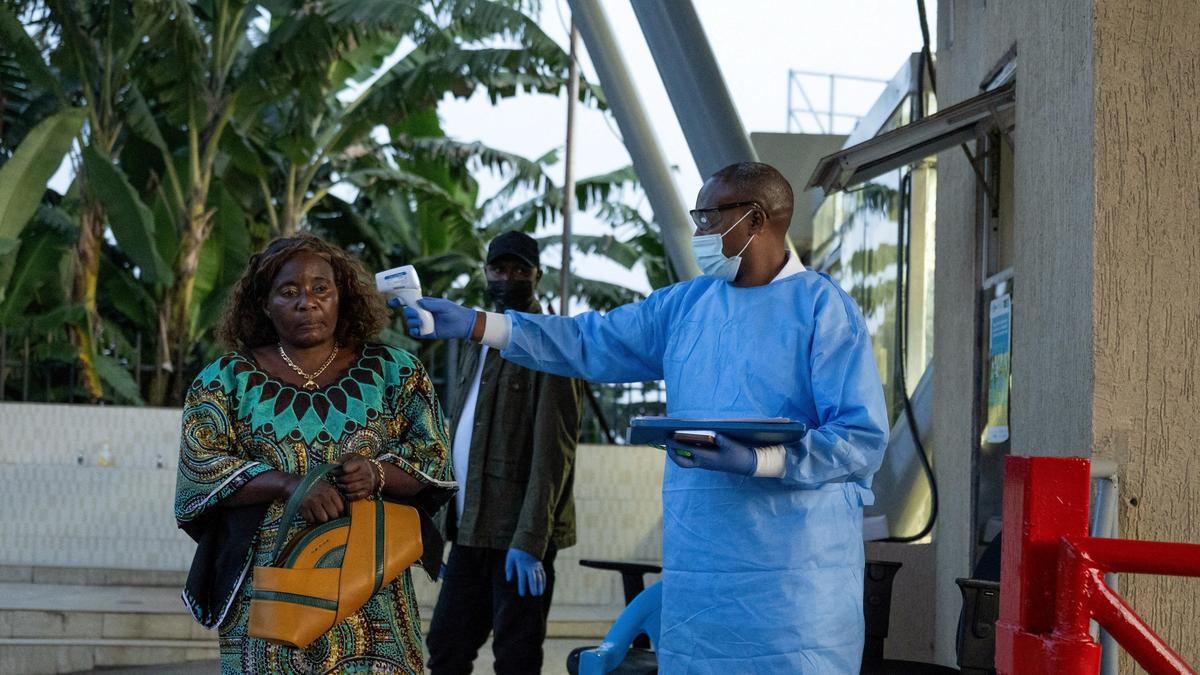
# WHO Chief Expresses Deep Concern Over Rapid Ebola Outbreak in the Democratic Republic of Congo
## Introduction
In a world increasingly connected yet vulnerable to outbreaks of infectious diseases, the rapid spread of Ebola in the Democratic Republic of Congo (DRC) has raised alarms globally. The World Health Organization (WHO) Chief, Dr. Tedros Adhanom Ghebreyesus, recently voiced his grave concerns regarding the "scale and speed" of this latest outbreak. As the DRC grapples with the resurgence of this deadly virus, the international community watches closely, understanding the potential implications not only for the region but for global health security.
## The Current Situation in the DRC
The DRC has long been a battleground for various infectious diseases, with Ebola being one of the most notorious. As of October 2023, reports indicate a significant uptick in cases, prompting the WHO to deploy additional resources and experts to assist local health authorities in containment efforts. The outbreak has escalated quickly, with health officials confirming numerous cases and several fatalities, highlighting the urgency of the situation.
The DRC's healthcare infrastructure, already strained by years of conflict and economic challenges, is under tremendous pressure. In remote areas, access to essential medical care is limited, making the containment of the virus even more complex. Efforts to trace contacts and implement preventive measures are critical, yet the deep-rooted issues within the healthcare system complicate these efforts.
## Understanding Ebola
Ebola virus disease (EVD) is a severe and often fatal illness in humans, with a high mortality rate. The virus is transmitted through direct contact with bodily fluids of infected individuals or animals. Symptoms typically manifest within two to 21 days after exposure and can include fever, vomiting, diarrhea, and in some cases, internal and external bleeding. The rapid onset of symptoms coupled with the virus's ability to spread quickly presents a significant challenge to containment efforts.
The history of Ebola outbreaks, particularly in Central and West Africa, underscores the importance of swift action. Past outbreaks have demonstrated that early intervention, including contact tracing, isolation of cases, and public awareness campaigns, can drastically reduce the spread of the virus.
## WHO's Response and Action Plan
In light of the current outbreak, the WHO is mobilizing its resources to support the DRC in combating the virus. Dr. Tedros emphasized the need for immediate action and collaboration among health workers, local communities, and international partners. The organization is working to enhance surveillance, improve laboratory capacities, and ensure that healthcare workers are adequately trained and equipped to handle Ebola cases.
One of the critical components of the WHO's response strategy is the deployment of a rapid response team. This specialized group will assist local health authorities in implementing key interventions, including vaccination campaigns, which have proven effective in controlling the virus’s spread during previous outbreaks. The WHO is also focusing on community engagement, aiming to educate the public on the signs and symptoms of Ebola and the importance of seeking medical care promptly.
## The Role of the International Community
The resurgence of Ebola in the DRC is not just a local crisis but a global challenge that requires a coordinated international response. Countries around the world are watching closely, and there is a growing recognition that infectious diseases know no borders. As such, the international community must remain vigilant and ready to assist in containment efforts.
Donor countries and organizations are being called upon to provide financial and logistical support to bolster the DRC's response. This includes funding for medical supplies, healthcare infrastructure, and community outreach programs. Furthermore, collaboration with regional health organizations can enhance the effectiveness of the response, ensuring that best practices are shared and implemented.
## Challenges Ahead
Despite the WHO's commitment and the support of the international community, several challenges lie ahead in the fight against the Ebola outbreak in the DRC. One of the most significant hurdles is the public's perception of the virus and the healthcare system. Misinformation and distrust can lead to reluctance in seeking medical help, complicating containment efforts.
Moreover, the logistical difficulties of reaching remote areas, where many cases are reported, pose a significant challenge. Ensuring that medical supplies and personnel can access these regions is vital for effective intervention. The DRC's ongoing political and economic instability also adds to the complexity of the situation, potentially hindering response efforts.
## The Importance of Vaccination
Vaccination remains one of the most effective tools in preventing the spread of Ebola. The WHO, in collaboration with pharmaceutical companies, has developed and deployed vaccines that have shown efficacy in controlling outbreaks. However, vaccine availability and distribution in the DRC are critical to the success of the ongoing response efforts.
Public health campaigns to promote vaccination are essential, as they can help build community trust and encourage individuals to seek out vaccinations. These efforts must be culturally sensitive and tailored to local communities to ensure their effectiveness.
## Conclusion
The recent resurgence of Ebola in the Democratic Republic of Congo is a stark reminder of the persistent threat posed by infectious diseases. As the WHO chief expresses his deep concern over the outbreak's scale and speed, it is imperative for the global community to rally together in support of the DRC. Through coordinated efforts, effective public health strategies, and community engagement, there is hope that this outbreak can be contained.
The situation underscores the importance of investing in healthcare infrastructure, disease surveillance, and public health education, not just in the DRC but across the globe. As we navigate these challenges, let us remember that combating infectious diseases requires a united front, with collaboration and swift action at the forefront of our response. By working together, we can protect not only the communities affected by this outbreak but also safeguard global health security for future generations.