
Ebola crisis: 131 dead in DR Congo as outbreak spreads
# Ebola Crisis Deepens: 131 Lives Lost in DR Congo as Outbreak Expands
The Democratic Republic of the Congo (DRC) is grappling with a severe outbreak of the Ebola virus, which has claimed 131 lives to date. This alarming situation, marked by a rapid increase in cases, has raised significant concerns among health officials and the global community. With the World Health Organization (WHO) warning of a potential spike in infections—especially as cases emerge in urban centers and neighboring Uganda—the urgency to address this crisis has never been greater.
## Understanding the Ebola Outbreak
Ebola, a viral hemorrhagic fever, is notorious for its high mortality rate and devastating impact on communities. The current outbreak in the DRC began in the northeastern region of the country, particularly in Equateur Province, and has since spread to other areas, including urban centers. This marks a worrying trend, as urban outbreaks can significantly complicate containment efforts due to higher population density and mobility.
Current Situation in the DRC
As health officials scramble to contain the virus, the numbers tell a grim story. Over 131 individuals have lost their lives since the outbreak began, with hundreds more suspected or confirmed cases on the rise. The WHO has reported that the situation is evolving, with new cases surfacing not only in rural areas but also in cities, which poses a substantial challenge for public health responses.
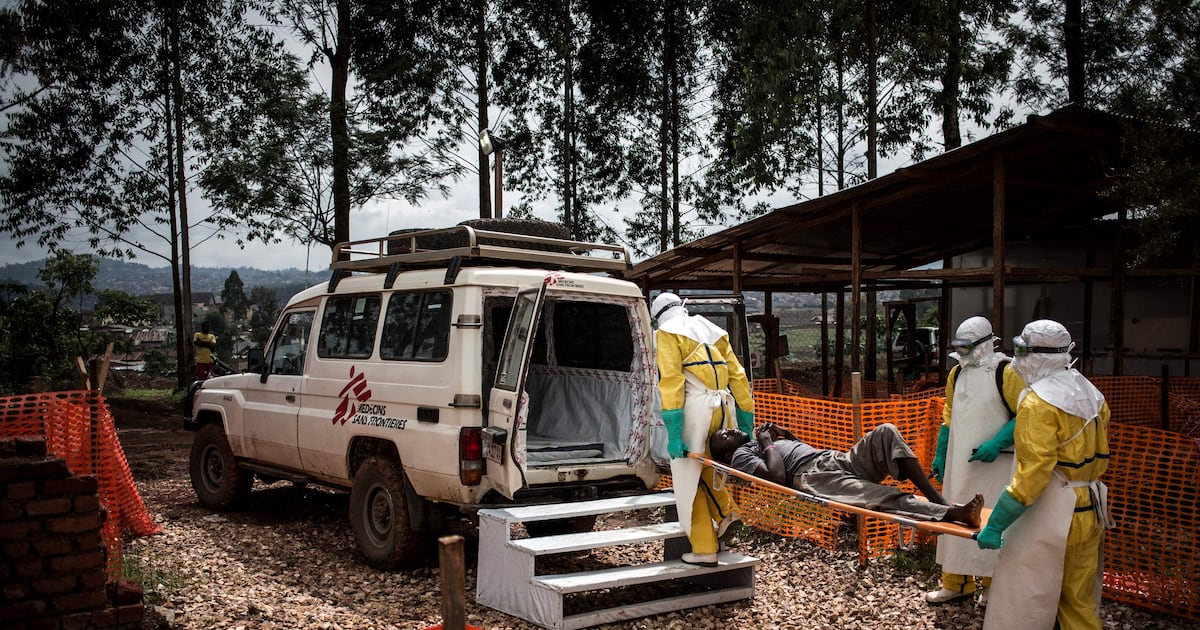
Community transmission is becoming increasingly evident, prompting health authorities to act swiftly. Efforts are being made to isolate infected patients, trace their contacts, and raise public awareness about prevention methods. However, the challenges are immense, as misinformation and fears surrounding the virus can hinder these efforts.
## The Role of Urban Centers in the Outbreak
One of the most concerning developments in this outbreak is the emergence of Ebola cases in urban centers. Cities like Mbandaka, which is a significant population hub, are now at risk of large-scale transmission. The complexities of urban environments, including overcrowding and limited healthcare resources, could lead to a rapid spread of the virus.
In urban settings, individuals are more likely to come into contact with the virus due to increased social interactions, making it difficult for health officials to trace and isolate cases effectively. This dynamic amplifies the urgency of mobilizing healthcare resources and implementing robust public health measures.
Regional Implications: Uganda at Risk
The outbreak's reach extends beyond the DRC's borders, with neighboring Uganda on high alert. Given the historical context of Ebola transmission across borders in East Africa, Ugandan health authorities are taking proactive measures to prevent the virus from entering their territory. Increased surveillance at border crossings and public health campaigns are being implemented to educate citizens about the risks and symptoms of Ebola.
The potential for cross-border transmission underscores the need for regional collaboration in tackling the outbreak. Health officials from both the DRC and Uganda are working together to share information and resources, aiming to strengthen their response and containment strategies.
## WHO's Response and Global Support
The WHO is actively involved in addressing the Ebola outbreak in the DRC, deploying teams of experts to assist local health authorities. The organization has emphasized the importance of timely reporting, contact tracing, and vaccination campaigns to control the spread of the virus. In light of the rising case numbers, the WHO has also called for increased funding and international support to bolster the response efforts.
Vaccination plays a critical role in curbing the spread of Ebola. The rVSV-ZEBOV vaccine, which has shown effectiveness in previous outbreaks, is being deployed to protect frontline healthcare workers and vulnerable populations. Vaccination campaigns are essential not only for controlling the current outbreak but also for preventing future occurrences.
Community Engagement: A Key Component
Community engagement is vital in the fight against Ebola. Health officials are focusing on raising awareness about the virus, its transmission, and preventive measures. Local leaders and health workers are collaborating to disseminate information effectively, dispelling myths and fears surrounding the outbreak.
The involvement of community members in response efforts fosters trust and encourages individuals to seek medical attention if they exhibit symptoms. This grassroots approach is crucial for successful containment and can ultimately save lives.
## Challenges Ahead
Despite ongoing efforts to combat the outbreak, several challenges remain. Misinformation and stigma surrounding Ebola can deter individuals from seeking treatment, while logistical issues in remote areas can hinder the delivery of medical supplies and resources. Additionally, the psychological toll of the outbreak on affected communities cannot be underestimated.
The historical context of Ebola outbreaks in the DRC also presents challenges. Previous crises have led to fatigue and desensitization among communities, making it harder to mobilize an effective response. Overcoming these hurdles requires a multifaceted approach that addresses both the medical and social dimensions of the crisis.
## Conclusion: A Call for Global Solidarity
As the DRC faces a burgeoning Ebola crisis, it is imperative for the global community to unite in support of containment efforts. With 131 lives already lost and case numbers expected to rise, the stakes are high. The WHO's warning about the potential for increased infections underscores the urgent need for comprehensive public health interventions.
Collaboration among nations, regional partners, and international organizations will be crucial in curbing the spread of Ebola and protecting vulnerable communities. Effective communication, community engagement, and robust healthcare responses are essential in this battle against a virus that has claimed too many lives. As we look ahead, the world must stand together to support the DRC and help ensure that this outbreak does not spiral further out of control.