
'Was an hour away': Trump on halting planned military attack on Iran
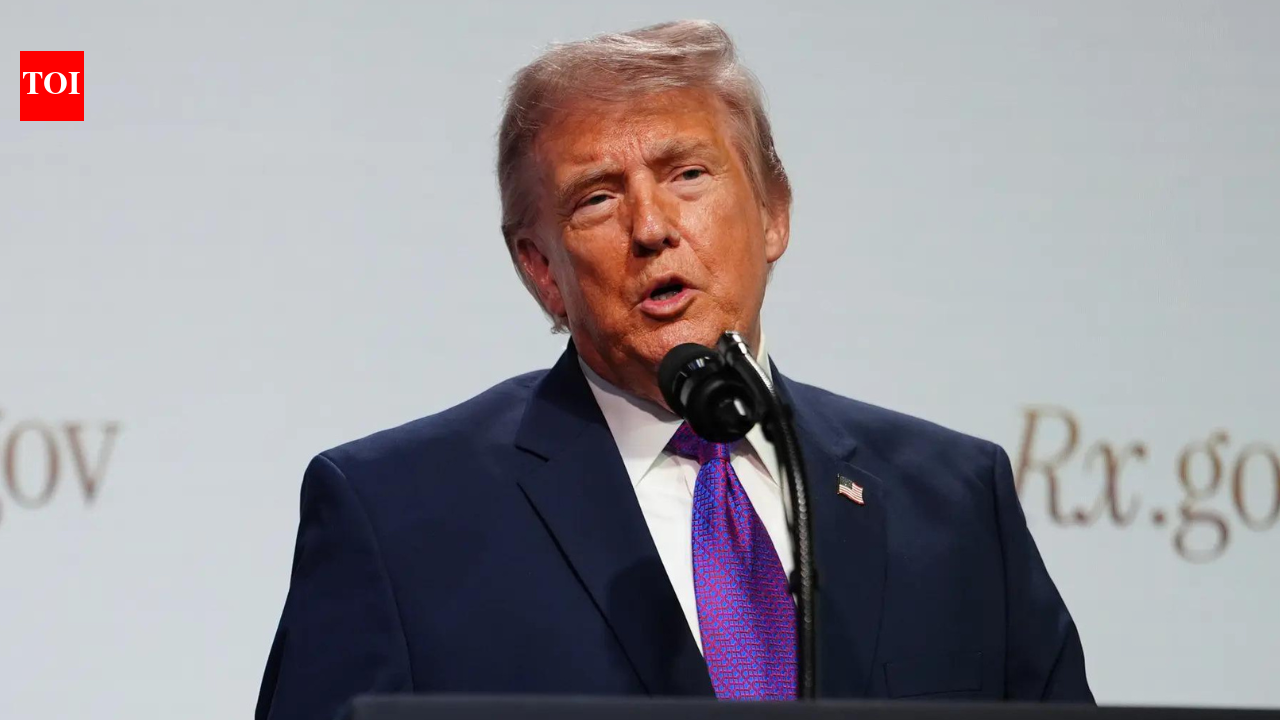
# Trump Reveals Close Call: A Military Strike on Iran Was Just an Hour Away
In a stunning revelation that sheds light on the intense and often volatile nature of U.S. foreign policy, former President Donald Trump disclosed that the United States was on the brink of launching a military strike against Iran. The decision to halt the operation, he explained, came just an hour before the planned attack was set to commence. This admission not only underscores the complexities of international relations but also raises questions about the implications of military interventions in the Middle East.
## The Context of Conflict
Tensions between the United States and Iran have a long and tumultuous history, rooted in decades of political, military, and ideological disputes. The latest chapter in this fraught relationship includes a series of confrontations, including military skirmishes, cyber warfare, and aggressive rhetoric from both sides. Trump's announcement adds a provocative layer to the ongoing narrative, highlighting the precariousness of diplomatic relations and the potential for military escalation.
In a series of statements, Trump painted a vivid picture of the events leading up to the moment when the order was nearly given. He mentioned that U.S. naval warships were armed and positioned, ready to act. The decision to back away from the brink of war was reportedly made after careful consideration of the potential consequences, which could have included significant loss of life and a further destabilization of the region.
## Decision-Making in the Heat of the Moment
The decision-making process in the White House is often complex, particularly in high-stakes situations involving military action. Trump's revelation opens a window into the deliberations that occur at the highest levels of government. It raises important questions about how decision-makers weigh the risks and benefits of military action, especially when the implications can reverberate far beyond the immediate situation.
In the case of Iran, the ramifications of a military strike would have been profound. Not only would it have likely escalated into a broader conflict, but it also could have affected U.S. relations with its allies and adversaries alike. The potential for retaliation from Iran, as well as the threat to U.S. troops stationed in the region, would have been significant factors in the decision-making process.
## The Role of Advisors and Intelligence
Trump's comments also highlight the critical role that advisors and intelligence agencies play in shaping foreign policy decisions. In the lead-up to the planned strike, the president would have relied on input from military leaders, intelligence analysts, and foreign policy experts. Their assessments of the potential outcomes would have been crucial in determining whether to proceed with the attack or to reconsider.
The complexity of the U.S.-Iran relationship means that any military action comes with a host of potential consequences. Advisors often weigh not just immediate military objectives but also the long-term implications for U.S. interests in the region. The possibility of drawing in other nations, either through alliances or enmity, adds another layer of complexity to the decision-making process.
## The Impact of Public Opinion
Public opinion also plays a significant role in shaping foreign policy decisions. The willingness of the American public to support military action can fluctuate based on a variety of factors, including the perceived legitimacy of the action, media coverage, and the context of the conflict. Trump's administration faced scrutiny over its approach to Iran, particularly following the assassination of Iranian General Qassem Soleimani in January 2020, which had already heightened tensions between the two nations.
In the case of the military strike that was called off, public sentiment may have influenced the final decision. The potential for widespread media coverage of civilian casualties, coupled with the historical context of U.S. military interventions in the Middle East, could have weighed heavily on the minds of decision-makers.
## Lessons Learned from the Near Miss
Trump’s revelation of the near-miss provides a critical opportunity to reflect on the lessons learned from such incidents. The precarious balance between military readiness and diplomatic engagement remains a central theme in U.S. foreign policy. As the world continues to grapple with complex geopolitical issues, the need for careful consideration and strategic thinking becomes ever more apparent.
The incident serves as a reminder that military actions have far-reaching consequences and that diplomatic channels should always remain open. The potential for misunderstanding, miscommunication, and miscalculation in high-stakes situations like these emphasizes the importance of dialogue and negotiation in resolving conflicts.
## Moving Forward: The Future of U.S.-Iran Relations
As the geopolitical landscape evolves, the future of U.S.-Iran relations remains uncertain. The Biden administration has expressed a desire to return to the negotiating table and address issues such as Iran's nuclear program and regional influence. However, the shadow of past conflicts looms large, and the lessons learned from Trump’s administration will undoubtedly inform future strategies.
The revelation of how close the U.S. came to military action against Iran underscores the importance of diplomacy in preventing conflict. As the international community continues to navigate the complexities of relationships in the Middle East, the emphasis on peaceful resolutions will be crucial for long-term stability.
## Conclusion: A Cautionary Tale
In conclusion, Donald Trump's disclosure that the U.S. was just an hour away from launching a military strike on Iran serves as a cautionary tale about the fragility of international relations. The incident highlights the need for thoughtful decision-making, the importance of diplomatic engagement, and the potential consequences of military action. As the world continues to face a myriad of geopolitical challenges, the lessons learned from this close call should inform future U.S. foreign policy, reminding leaders of the critical balance between military readiness and the pursuit of peace.
In an age where tensions can escalate rapidly, it is vital to remember that the stakes are high, and the path to resolution often lies in dialogue rather than warfare. As we reflect on this near-miss, the hope is that future leaders will prioritize diplomacy, ensuring that the lessons of the past guide decisions made for the future.