
VLT Captures First Resolved Image of a Cosmic Filament - and It Matches the Simulations Exactly
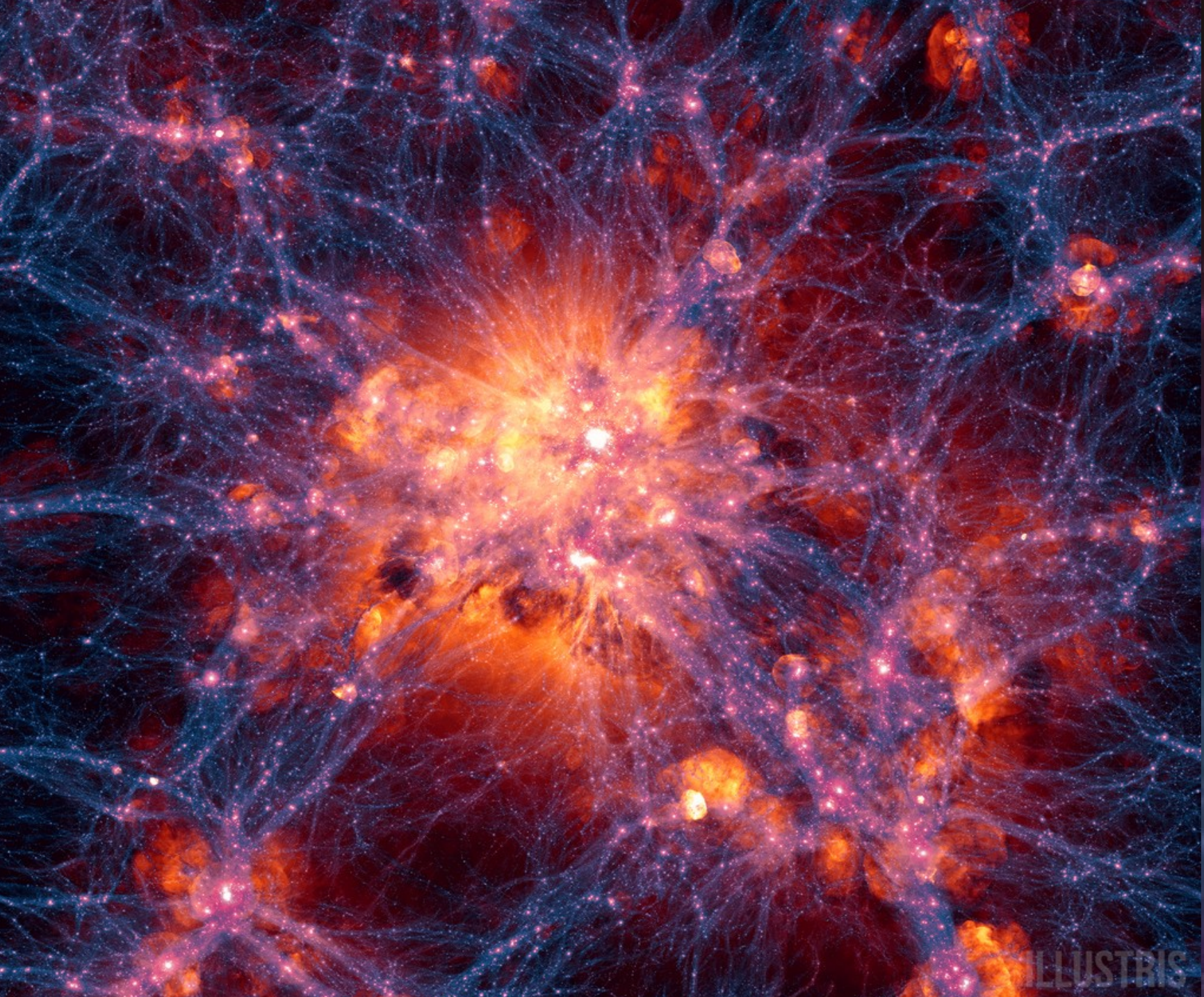
# VLT Captures First Resolved Image of a Cosmic Filament - A Milestone in Astronomical Research
In a groundbreaking development in the field of astronomy, the Very Large Telescope (VLT) in Chile has successfully captured the first resolved image of a cosmic filament. This stunning achievement not only marks a significant milestone in our understanding of the intricate web of the universe but also aligns remarkably with existing simulations of cosmic structures. As scientists continue to explore the vast expanse of the cosmos, this latest discovery reinforces the importance of both space and ground-based observations in piecing together the history of the universe.
## Understanding Cosmic Filaments
Cosmic filaments are vast structures that form the backbone of the cosmic web, a large-scale structure of the universe composed of galaxies and dark matter. These filaments are thought to contain intergalactic gas and are critical to our understanding of how galaxies form and evolve over billions of years. The existence of these filaments has been theorized for decades, but capturing a direct image of them has proven to be a daunting task for astronomers.
The cosmic web itself is a complex network of matter that spans across 13.7 billion years of cosmic history. It is this network that the James Webb Space Telescope (JWST) is diligently mapping. However, it is the VLT that has stepped into the spotlight with its recent achievement, providing a breathtaking image that affirms theoretical predictions.
## The Significance of the VLT's Discovery
The VLT's image of the cosmic filament showcases a level of detail that was previously unattainable. By using advanced imaging techniques and state-of-the-art instruments, astronomers were able to resolve the filament's structure and gain insights into its composition. This discovery is particularly significant for several reasons:
1. **Validation of Theoretical Models**: The resolved image matches precisely with computer simulations that depict how cosmic filaments should appear. This not only validates existing models but also provides a foundation for refining future simulations.
2. **Insights into Galaxy Formation**: Understanding the structure of cosmic filaments can shed light on how galaxies form and evolve. The intergalactic gas found in these filaments is believed to play a crucial role in galaxy growth, providing the necessary material for star formation.
3. **Enhanced Observational Techniques**: The success of the VLT in capturing this image highlights the advancements in observational technology. These techniques can be applied to other astronomical phenomena, paving the way for further discoveries in the universe.
## The Role of Ground-Based Observatories
While the JWST is revolutionizing our understanding of the cosmos from space, ground-based observatories like the VLT play an equally vital role. The VLT, located in the Atacama Desert of Chile, boasts some of the most advanced optical instruments in the world. Its ability to observe cosmic structures in high detail complements the data collected by space telescopes.
Ground-based observatories have certain advantages, such as the ability to capture a wide range of wavelengths and conduct real-time observations. The synergy between ground and space telescopes is crucial for creating a comprehensive picture of the universe.
## The Future of Cosmic Research
The VLT's recent image of a cosmic filament is just the beginning of a new era in cosmic research. As astronomers continue to explore the universe, the collaboration between ground and space observatories will become increasingly essential. Researchers are optimistic that this discovery will lead to new avenues of investigation regarding dark matter, dark energy, and the fundamental nature of the universe.
The ongoing research initiatives, fueled by this recent discovery, aim to delve deeper into the properties of cosmic filaments and their influence on galaxy formation. With advancements in technology and observational capabilities, the future of cosmic research looks promising.
## Conclusion
The Very Large Telescope's first resolved image of a cosmic filament is a monumental achievement in astronomy. This groundbreaking discovery not only confirms theoretical predictions but also enhances our understanding of the cosmic web and the formation of galaxies. As the VLT continues to capture the wonders of the universe, the collaboration with space telescopes like the James Webb Space Telescope will undoubtedly lead to exciting new insights.
As we look to the future, it is clear that both ground and space-based observations are essential for unraveling the mysteries of our universe. With each new discovery, we come one step closer to understanding the intricate web that binds galaxies together and the forces that shape the cosmos. The journey of exploration continues, and the universe still holds many secrets waiting to be uncovered.