
Ebola Outbreak in Congo and Uganda 2026: What We Know So Far About Cases, Spread, and Response
# Ebola Outbreak in Congo and Uganda 2026: What We Know So Far About Cases, Spread, and Response
The year 2026 has ushered in a troubling public health crisis as the World Health Organization (WHO) officially declared an Ebola outbreak in the Democratic Republic of Congo (DRC) and Uganda a public health emergency of international concern. As the world grapples with the resurgence of this deadly virus, understanding the situation is imperative for global health security. This article delves into the current status of the outbreak, its progression, the measures being taken to control it, and what lies ahead for affected communities.
## Understanding the Ebola Virus
Ebola, a severe and often fatal disease, is caused by the Ebola virus, which is known to transmit from animals to humans. The initial symptoms often resemble those of other febrile illnesses, including fever, fatigue, and muscle pain, making early detection challenging. As the infection progresses, it can lead to severe complications, including hemorrhagic fever, multi-organ failure, and often death.
Historically, the DRC has been at the epicenter of Ebola outbreaks, and this year is no different. The latest outbreak has raised alarms not only in the affected regions but globally, given the highly contagious nature of the virus and its potential to spread rapidly across borders.
## Current Situation in the DRC and Uganda
As of October 2026, the WHO has reported a total of 150 confirmed cases of Ebola in the DRC and 50 in Uganda. The outbreak has been traced back to a village in the DRC, where a series of cases were identified following the consumption of bushmeat. Subsequently, the virus spread to neighboring Uganda, placing both countries on high alert.
Epidemiological Insights
Epidemiologists are closely monitoring transmission patterns. The majority of cases reported have been linked to direct contact with infected individuals or contaminated materials. Health authorities have emphasized the importance of understanding the virus's transmission dynamics to implement effective containment strategies.
Geographic Spread
The outbreak's geographic spread poses significant challenges. The DRC's dense forests and remote communities complicate the monitoring and containment efforts. Meanwhile, Uganda's proximity to the DRC has led to heightened concerns of cross-border transmission, prompting both countries to collaborate on a joint response strategy.
## Response Measures
In light of the alarming situation, both the DRC and Uganda have mobilized considerable resources to combat the outbreak. Here are some of the key strategies being implemented:
Vaccination Campaigns
One of the most effective tools in controlling Ebola outbreaks is vaccination. The WHO, in collaboration with local health authorities, has initiated mass vaccination campaigns targeting at-risk populations. The rVSV-ZEBOV vaccine, known for its efficacy in preventing Ebola, is at the forefront of these efforts. Health workers, caregivers, and individuals in high-risk areas are prioritized for vaccination to create a buffer against further spread.
Community Engagement and Education
Public awareness campaigns have been ramped up to educate communities about the symptoms of Ebola, the importance of seeking timely medical assistance, and the need for preventive measures. Local health workers are engaging with communities to dispel myths surrounding the disease and encourage safe practices, such as avoiding bushmeat.
Surveillance and Contact Tracing
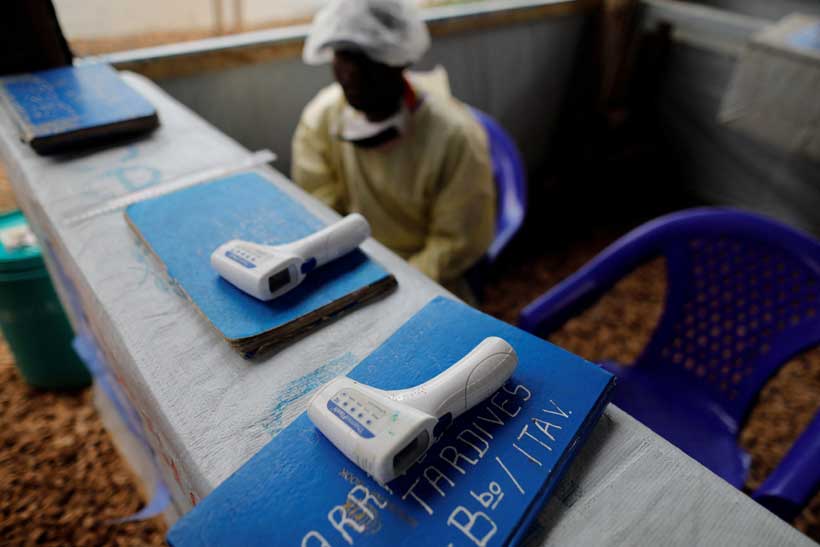
Effective surveillance and contact tracing are critical components of outbreak response. Health authorities are working diligently to identify and monitor individuals who have been in contact with confirmed cases. This proactive approach aims to isolate potential cases early and prevent further transmissions.
International Support
The global health community has rallied support for the affected regions. Countries and international organizations have pledged financial and logistical assistance to bolster response efforts. The WHO has deployed experts to assist in coordination, epidemiological investigations, and vaccination campaigns.
## Challenges Ahead
Despite the concerted efforts to contain the outbreak, several challenges persist. Stigma surrounding Ebola can deter individuals from seeking treatment, leading to further spread of the virus. Additionally, logistical hurdles in reaching remote areas and potential resource shortages can hinder response efforts.
The political and economic instability in the DRC adds another layer of complexity to the response. Ensuring that health resources are effectively allocated and that communities receive the necessary support remains a critical focus for health authorities.
## Looking to the Future
As the situation continues to evolve, health authorities remain vigilant. The success of response efforts relies on cooperation between governments, international organizations, and local communities. Continuous monitoring of the outbreak's trajectory and adaptive strategies will be essential in mitigating its impact.
The Role of Research and Innovation
The outbreak underscores the necessity for ongoing research into Ebola and other emerging infectious diseases. Innovations in vaccine development, diagnostic tools, and treatment options will be crucial to prevent future outbreaks. Collaboration between researchers, pharmaceutical companies, and governments can pave the way for advancements that enhance global health security.
## Conclusion
The Ebola outbreak in the Democratic Republic of Congo and Uganda serves as a stark reminder of the vulnerabilities that exist at the intersection of human health and environmental factors. As the world watches closely, the collective response from local and international communities will determine the trajectory of this outbreak. Public health measures, coupled with community engagement and international support, are essential to contain the virus and protect lives. Continued vigilance, collaboration, and investment in health infrastructure are critical in the fight against Ebola and in safeguarding against future outbreaks.
As we navigate these challenging times, it is imperative that we remain informed, support those affected, and advocate for robust public health systems that can respond effectively to such crises. The lessons learned from this outbreak will be invaluable in shaping our preparedness for future public health challenges.