
One human protein helps malaria and kala-azar thrive. JNU scientists took it out
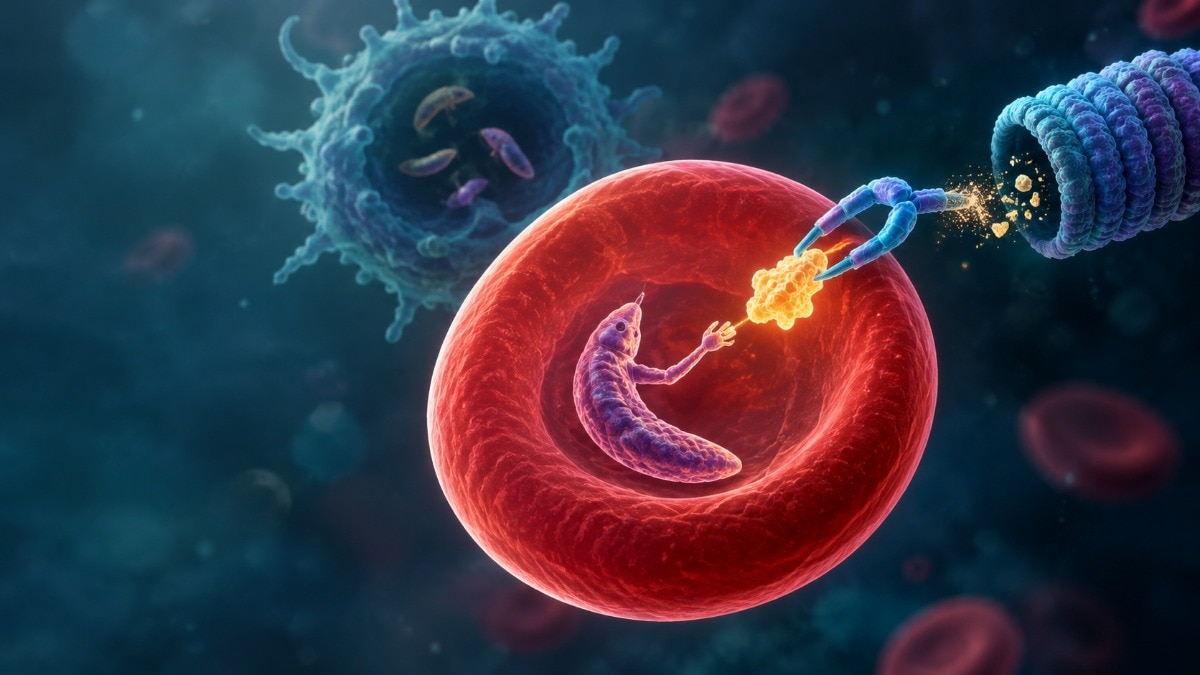
Scientists at Jawaharlal Nehru University (JNU) destroyed a human protein in lab cells and found that kala-azar and malaria parasites struggled, while merely switching the protein off did nothing. It is early work, but it points to a very different way of treating two stubborn diseases.
Scientists at Jawaharlal Nehru University (JNU) have shown that destroying a human protein called p38-MAPK weakens the parasites behind malaria and kala-azar in lab cells. Here is what the findings mean, and why it is too early to call them a treatment.