
Justice Swarana Kanta Sharma Transfers Excise Policy Case, Says She Can't Hear Matter After Initiating Contempt Against AAP Leaders
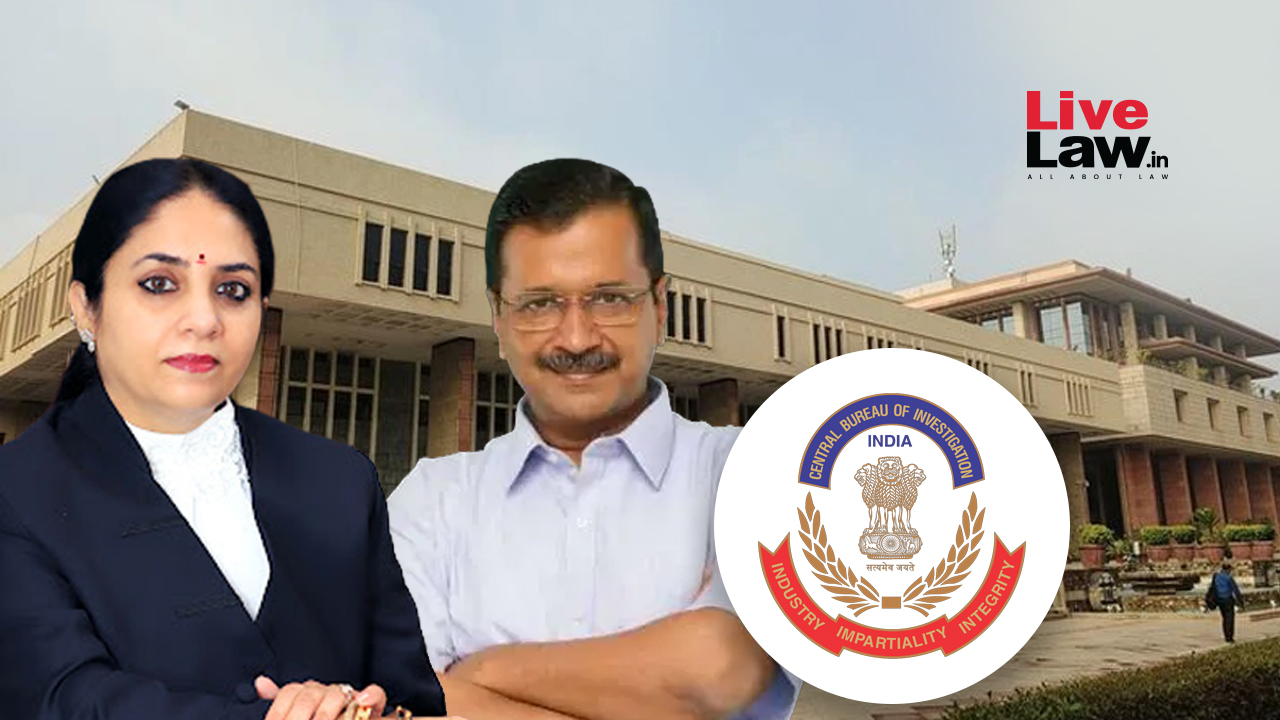
# Justice Swarana Kanta Sharma Transfers Excise Policy Case Amid Contempt Proceedings Against AAP Leaders
In a significant development for the ongoing legal battle surrounding Delhi's controversial excise policy, Justice Swarana Kanta Sharma of the Delhi High Court has officially transferred the case to another bench. This decision comes in light of her recent initiation of criminal contempt proceedings against several leaders of the Aam Aadmi Party (AAP), including former Chief Minister Arvind Kejriwal. The implications of this ruling are substantial, not only for the accused politicians but also for the broader political landscape in Delhi.
## Background: The Excise Policy Controversy
Delhi's excise policy, designed to regulate the liquor trade in the capital, has been under scrutiny since its implementation. Critics have alleged that the policy was marred by corruption and favoritism, leading to widespread unrest and public outcry. The controversy gained traction when the Enforcement Directorate (ED) and the Central Bureau of Investigation (CBI) launched investigations into the alleged irregularities tied to the policy. As the political stakes escalated, so too did the legal ramifications for those involved.
## Justice Swarana Kanta Sharma's Decision
On May 14, 2023, Justice Sharma announced her decision to recuse herself from hearing the excise policy case. This move is particularly notable given her involvement in initiating contempt proceedings against certain AAP leaders. The judge stated that her prior actions created a conflict of interest, and it would be inappropriate for her to continue presiding over the case. This decision underscores the complexities of judicial independence in politically charged cases, where judges must navigate both legal principles and public perception.
Justice Sharma's recusal has sparked discussions among legal experts and political commentators alike. Many are speculating about the potential ramifications for the AAP leadership and whether the transfer of the case will impact the ongoing investigations.
## The Implications of Contempt Proceedings
Initiating contempt proceedings is a serious legal action that can carry significant consequences for the individuals involved. In this case, Justice Sharma's decision was prompted by comments made by AAP leaders, which she deemed disrespectful to the court. Contempt of court is a mechanism designed to uphold the authority and integrity of the judicial system, ensuring that all parties adhere to the standards of decorum expected in legal proceedings.
The initiation of these proceedings against prominent political figures highlights the delicate balance between the judiciary and the executive in a democratic society. It raises crucial questions about accountability, the rule of law, and the impact of political rhetoric on judicial processes.
## The Role of the Delhi High Court
The Delhi High Court has been a pivotal institution in addressing legal disputes that intertwine with political controversies in the capital. As a critical arbiter of justice, the court has a duty to ensure that all cases are heard fairly and impartially. The transfer of the excise policy case signifies the court's commitment to maintaining judicial integrity, especially in cases involving high-profile defendants.
The new bench assigned to the case will need to navigate the complexities of the matter while ensuring that justice is served. This situation presents an opportunity for the judiciary to reinforce its independence and demonstrate its ability to handle politically sensitive cases without bias.
## Political Reactions
The transfer of the excise policy case has elicited varied reactions from political leaders and commentators. AAP spokespersons have expressed confidence that the new bench will approach the case with fairness, while also criticizing the circumstances surrounding Justice Sharma's recusal. They argue that the initiation of contempt proceedings is a tactic to undermine political opposition and distract from the substantive issues at hand.
On the other hand, opposition parties have seized upon the situation to call for greater accountability from the AAP leadership. They argue that the ongoing investigations into the excise policy serve as evidence of the party's mismanagement and corruption. This political tug-of-war reflects the broader challenges facing Delhi's governance and the need for transparency in public policy.
## The Bigger Picture: Governance and Accountability
The excise policy case is emblematic of larger issues within Delhi's political landscape. As the capital grapples with governance challenges, including corruption allegations and public dissatisfaction, the outcome of this case could have far-reaching implications. It could set precedents for how political leaders are held accountable for their actions and decisions.
Moreover, the case highlights the vital role of the judiciary in ensuring that public officials are held to the same standards as ordinary citizens. The public's trust in the legal system is paramount for a functioning democracy, and high-profile cases such as this one can either bolster or erode that trust.
## Conclusion: A Turning Point for Delhi Politics
Justice Swarana Kanta Sharma's decision to transfer the excise policy case marks a critical moment in the ongoing saga surrounding Delhi's liquor policy and the AAP leadership. As the legal proceedings unfold, all eyes will be on the new bench tasked with hearing the case, as well as the broader political ramifications that may ensue.
The transfer not only underscores the complexities of judicial independence in politically charged cases but also serves as a reminder of the importance of accountability in governance. As Delhi navigates these turbulent waters, the outcome of this case could shape the future of its political landscape and influence public perception of the integrity of its leaders.
In a democracy, the rule of law must prevail, and the actions of both political leaders and the judiciary will be scrutinized by an ever-watchful public. The road ahead is fraught with challenges, but it also presents an opportunity for growth, reform, and a renewed commitment to transparent governance in the nation’s capital. As the case progresses, it will undoubtedly remain a focal point of discussion and debate in the political arena.