
How climate change may be fuelling the spread of deadly Hantavirus that killed three on the MV Hondius
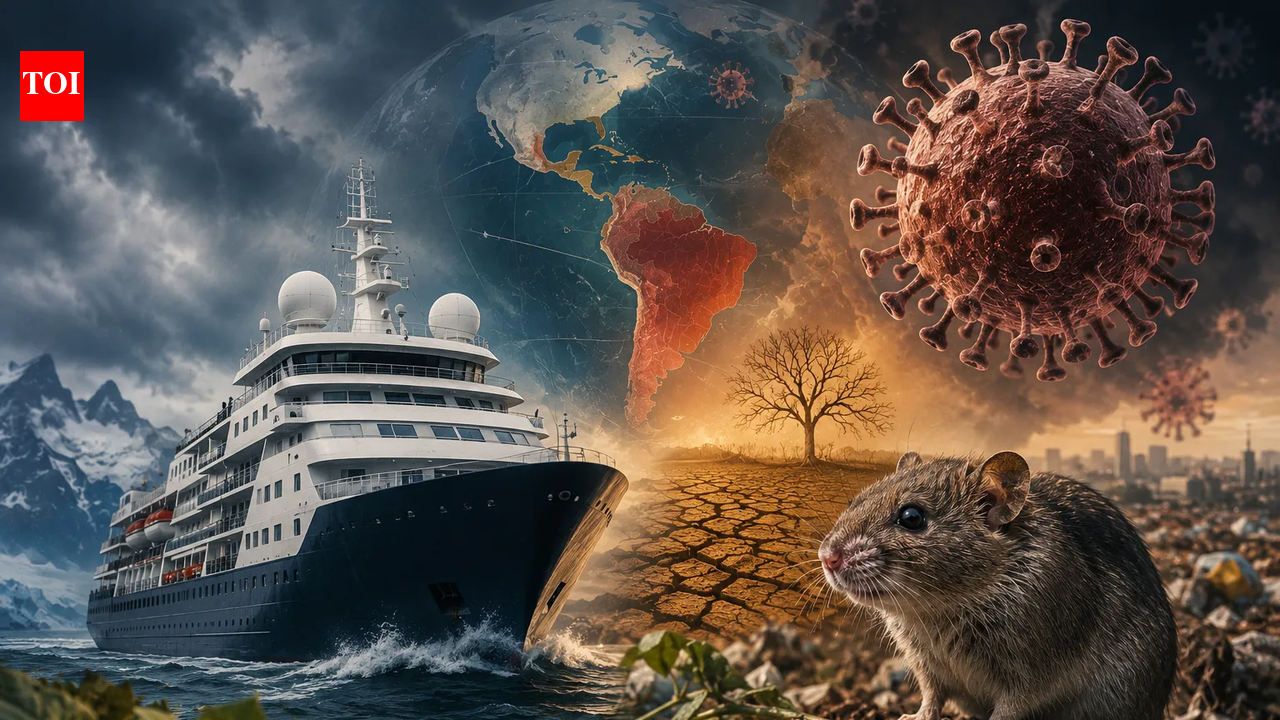
# Climate Change and the Hantavirus: An Emerging Threat on the MV Hondius
## Introduction
In recent years, climate change has emerged as a critical concern for global health, with its far-reaching effects influencing ecosystems, wildlife, and even the patterns of infectious diseases. A recent incident aboard the MV Hondius, which departed from Ushuaia, Argentina, on April 1, has highlighted these alarming connections. During the ship's “Atlantic Odyssey,” three passengers tragically lost their lives due to Hantavirus, a serious disease transmitted by rodents. This unsettling event raises crucial questions about how climate change may be facilitating the spread of such deadly viruses. This article delves into the relationship between climate change and emerging infectious diseases, focusing on Hantavirus and its implications for public health.
## Understanding Hantavirus: A Brief Overview
Hantavirus is a viral infection primarily transmitted through contact with rodent excreta, urine, or saliva. Infected individuals can develop Hantavirus pulmonary syndrome (HPS), a severe respiratory condition that can be fatal. Symptoms may include fever, muscle aches, and fatigue, which can escalate to difficulty breathing and even death in severe cases. Typically, outbreaks of Hantavirus are linked to specific environmental conditions conducive to rodent populations, making climate change a concerning factor in the virus's potential spread.
## The Role of Climate Change in Infectious Diseases
The relationship between climate change and infectious diseases is complex and multifaceted. Rising global temperatures, unpredictable weather patterns, and increasing frequency of natural disasters can alter ecosystems and influence the behavior of wildlife. These changes can have profound implications for disease transmission.
Altered Habitats and Rodent Populations
One of the primary ways climate change affects the spread of Hantavirus is through alterations in rodent habitats. Warmer temperatures and shifts in rainfall patterns can expand the range of rodent populations, allowing them to thrive in new areas. For instance, as forests encroach on urban areas due to changing weather patterns, rodents may find new habitats closer to human populations, increasing the likelihood of human exposure to diseases they carry.
Increased Human-Rodent Interactions
As climate change alters ecosystems, human activities may intersect more frequently with rodent habitats. This increased interaction can lead to a higher risk of transmission of diseases like Hantavirus. For example, as agricultural practices expand into new areas, they can disrupt local ecosystems and lead to a surge in rodent populations, putting surrounding communities at greater risk.
## The MV Hondius Incident: What Happened?
The MV Hondius, a state-of-the-art expedition vessel, embarked on its journey with high hopes for exploration and discovery. However, the atmosphere quickly shifted as three passengers succumbed to Hantavirus during the voyage. The incident has raised eyebrows and sparked discussions on the potential links between climate change and the emergence of infectious diseases.
Investigating the Source of Infection
In the aftermath of the tragic event, health officials launched an investigation to determine the source of the Hantavirus outbreak. Preliminary findings indicated that the virus was likely contracted through exposure to rodent droppings or urine, possibly in areas the passengers visited during shore excursions. This incident serves as a stark reminder of the potential health risks associated with increased travel and exposure to wildlife, particularly in regions where climate change is altering ecosystems.
## The Global Implications of Hantavirus Spread
The MV Hondius incident is not an isolated case. The increasing incidence of Hantavirus and other zoonotic diseases (those transmitted from animals to humans) has global implications. As climate change continues to reshape habitats, the risk of disease transmission is expected to rise, necessitating a comprehensive response from public health officials and governments worldwide.
The Need for Surveillance and Preparedness
To effectively combat the emerging threat of Hantavirus, a robust surveillance system is essential. Monitoring rodent populations, tracking climate patterns, and assessing potential human exposure will be critical in preventing future outbreaks. Additionally, public health campaigns aimed at educating communities about the risks associated with Hantavirus and preventive measures can help mitigate the spread of the virus.
Collaboration Across Sectors
Addressing the intersection of climate change and infectious diseases requires collaboration across multiple sectors, including environmental science, public health, and agriculture. Policymakers must prioritize research and funding to understand better how climate change influences disease dynamics and develop strategies that promote both human and environmental health.
## Personal Stories: The Human Impact
While statistics and scientific findings highlight the broader implications of climate change and Hantavirus, it is essential to remember the human stories behind these numbers. The families of the passengers who lost their lives on the MV Hondius are left grappling with the loss and the unanswered questions surrounding the outbreak. Their stories serve as a poignant reminder of the real-life consequences of emerging infectious diseases and the urgent need for action.
## Conclusion: A Call to Action
The tragic events aboard the MV Hondius underscore the urgent need to address the complex relationship between climate change and infectious diseases. As our planet continues to warm, the risk of diseases like Hantavirus will likely increase, posing serious threats to public health. It is imperative that we take proactive steps to understand and mitigate these risks through robust surveillance, public education, and interdisciplinary collaboration.
As individuals, communities, and nations, we must remain vigilant and advocate for policies that prioritize both climate action and public health. By doing so, we can work towards a safer, healthier future for all, free from the devastating impacts of diseases like Hantavirus. The time to act is now, for our health and the health of our planet depend on it.