
Vashu Bhagnani slams David Dhawan over Rs 27 cr loss on Coolie No 1: ‘Paid him 70 cr, not his worth’
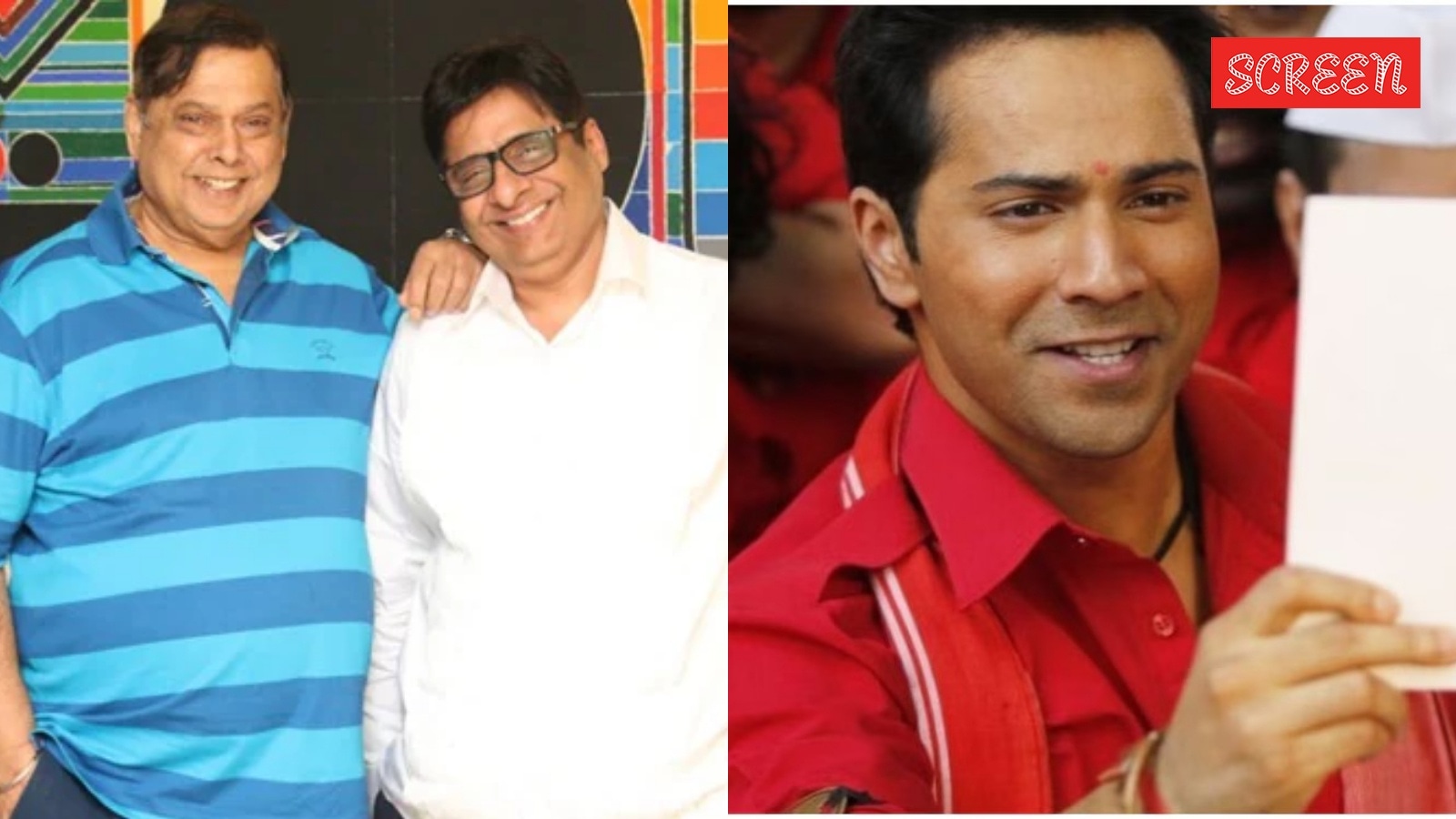
# Vashu Bhagnani Criticizes David Dhawan Over Financial Losses from Coolie No 1
In the world of Indian cinema, the financial stakes are often as high as the artistic ambitions that drive filmmakers. Recently, veteran producer Vashu Bhagnani opened up about the financial fallout from the 2020 film "Coolie No 1," a reboot of the classic 1995 comedy. Bhagnani's remarks have sparked a renewed discussion about accountability in the film industry, particularly regarding how financial losses impact not just producers but the entire filmmaking ecosystem.
## The Cost of Coolie No 1: A Financial Overview
Released during a period when the film industry was grappling with the challenges posed by the COVID-19 pandemic, "Coolie No 1" starred Varun Dhawan and Sara Ali Khan. The film, directed by David Dhawan, was expected to be a commercial hit, given its nostalgic appeal and the star power of its leads. However, the film received mixed reviews from critics and audiences alike, leading to disappointing box office returns.
According to Bhagnani, the production company incurred substantial losses, estimating around Rs 27 crores. In his candid remarks, he revealed that he had paid David Dhawan Rs 70 crores for directing the film, a sum he now questions in light of the film's performance. This admission has raised eyebrows, not just for its financial implications but also for the broader conversation it opens regarding director compensation versus film success.
## A Call for Accountability
Vashu Bhagnani's comments highlight a critical issue in the film industry: accountability among key stakeholders. In the aftermath of a project's failure, it is essential for directors, producers, and actors to engage in open dialogue about what went wrong. However, Bhagnani has pointed out that neither David Dhawan nor Varun Dhawan has taken responsibility for the fallout from "Coolie No 1."
The lack of accountability raises questions about the expectations and responsibilities of filmmakers. When a film fails to perform, should the creators be held responsible, and if so, to what extent? Bhagnani’s frustration reflects a sentiment that is shared by many producers who invest heavily in projects, only to see them fall short of expectations.
## The Impact of Financial Losses on Producers
The Indian film industry is notorious for its financial volatility. Producers like Vashu Bhagnani often invest millions in high-profile projects, banking on their success to recoup expenses and generate profit. However, when a film does not resonate with audiences, the financial repercussions can be severe.
For Bhagnani, the Rs 27 crore loss from "Coolie No 1" is not just a number on a balance sheet; it represents the hard work, effort, and vision that went into creating a film that ultimately did not meet its potential. Such losses can have a cascading effect, influencing the ability of producers to fund future projects, support talent, and contribute to the broader industry ecosystem.
## Re-evaluating Director Compensation
One of the most striking aspects of Bhagnani's statement is his critique of the Rs 70 crore fee paid to David Dhawan. The question arises: how should director compensation be determined, particularly in an industry where market dynamics can shift rapidly?
In a traditional film economy, a director’s worth is often measured by their past successes, audience appeal, and box office draw. However, Bhagnani’s comments suggest that there needs to be a more nuanced approach to evaluating a director's compensation—one that considers not just their past work but also their ability to adapt to changing audience preferences and market conditions.
## The Role of Audience Reception
"Coolie No 1" serves as a case study in audience reception and its impact on a film's success. Despite the star-studded cast and the legacy of the original film, the reboot struggled to connect with viewers. Critics highlighted issues such as outdated humor and a lack of originality, which ultimately affected box office performance.
In an era where audiences are more discerning and have a plethora of entertainment options at their fingertips, the responsibility lies with filmmakers to create compelling, relevant content that resonates with viewers. The disconnect between the film's production team and its audience underscores the importance of understanding market trends and audience expectations.
## Industry Response and Future Implications
Bhagnani’s remarks have ignited discussions among industry insiders, prompting a re-evaluation of compensation practices and accountability measures within the filmmaking community. Producers, directors, and actors are beginning to recognize the need for a more collaborative approach to filmmaking—one that prioritizes open communication and shared responsibility.
As the industry continues to evolve, the lessons learned from "Coolie No 1" may encourage filmmakers to adopt more sustainable practices, ensuring that financial risks are shared equitably among all stakeholders. This could lead to a more resilient film ecosystem, where accountability and transparency are valued.
## Conclusion: A Call for Change in the Film Industry
Vashu Bhagnani's criticisms of David Dhawan serve as a crucial reminder of the complexities involved in filmmaking. The financial losses incurred from "Coolie No 1" highlight the need for accountability and a reassessment of compensation structures in an industry often driven by star power and past success.
As filmmakers navigate the increasingly competitive landscape of Indian cinema, it is imperative that they foster a culture of collaboration and responsibility. By doing so, they can not only mitigate financial risks but also create content that resonates with audiences, ensuring the continued growth and sustainability of the film industry.
The story of "Coolie No 1" is not just about one film's failure; it is a reflection of the broader challenges faced by the Indian film industry in a rapidly changing world. By addressing these challenges head-on, industry professionals can work together to build a more successful and accountable future for cinema in India.