
US, Iran move closer to 60-day ceasefire extension: What's in the deal
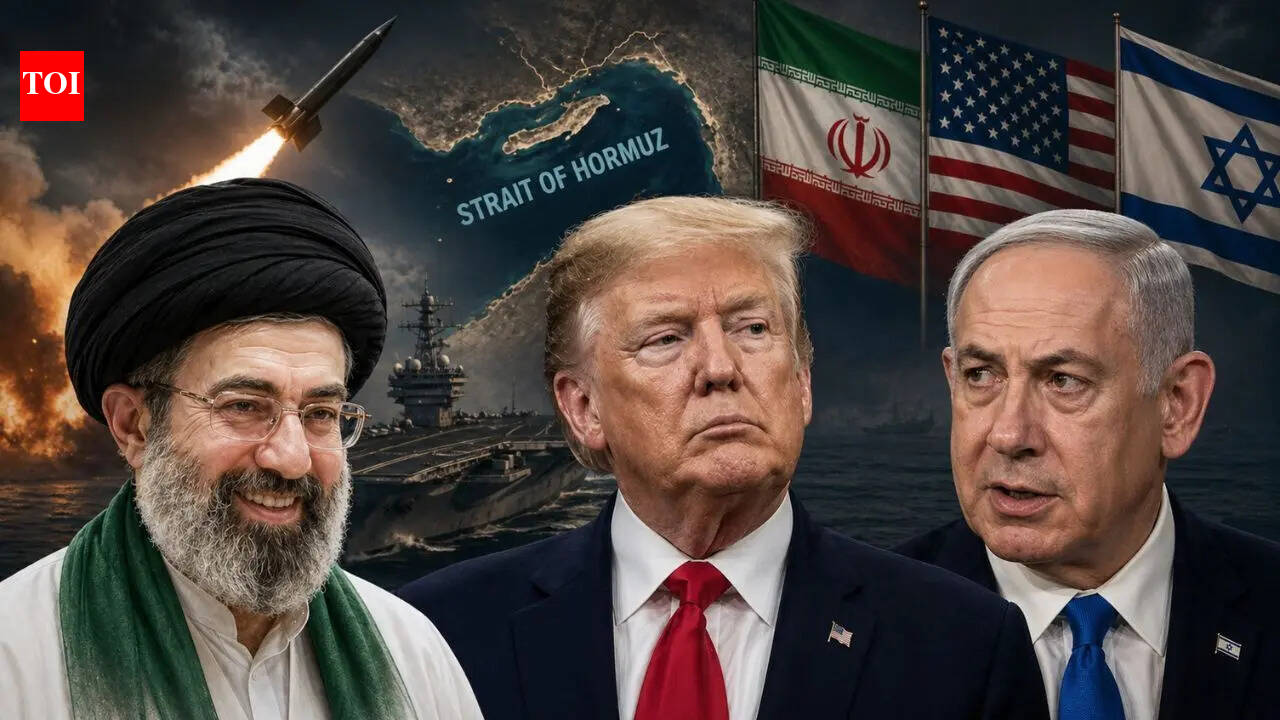
# US and Iran Move Closer to 60-Day Ceasefire Extension: What’s in the Deal?
In the complex geopolitical landscape of the Middle East, a potential extension of the ceasefire between the United States and Iran has emerged as a beacon of hope for peace. As both nations edge closer to an agreement that would extend the current truce by an additional 60 days, the implications of this potential deal are significant. Mediators are actively working on an interim agreement that could stabilize the region further. But what exactly does this deal entail, and how might it impact the broader Middle Eastern dynamics?
## The Current State of Affairs
The fragile ceasefire currently in place has provided a temporary respite in a region long plagued by conflict. Despite the history of tensions between the US and Iran, this potential extension signifies a willingness from both sides to engage in dialogue and seek diplomatic solutions rather than resorting to military action. The ongoing discussions highlight a mutual interest in avoiding escalation and maintaining some level of peace.
Key Players in the Negotiation
Mediators from various nations, including European allies and regional powers, are playing a crucial role in facilitating these discussions. Their involvement underscores the international community's commitment to fostering stability in the Middle East. The dynamics of the negotiation are complex, with each party bringing distinct interests and concerns to the table.
# The Role of Mediators
Mediators have been instrumental in bridging the gap between the opposing sides. Their efforts not only focus on the immediate ceasefire extension but also lay the groundwork for longer-term negotiations. By providing a neutral platform for dialogue, these mediators aim to build trust and open channels of communication that can lead to a more comprehensive peace agreement.
What’s on the Table?
While specific terms of the proposed 60-day extension are still being finalized, several key elements are likely to be included in the agreement.
# Military Presence and Operations
One of the primary concerns for both the US and Iran is the presence of military forces in the region. A potential agreement may include stipulations regarding the withdrawal or reduction of troops, particularly in areas where tensions have historically been high. This could pave the way for a decrease in hostilities and a more stable environment for diplomatic negotiations.
# Economic Considerations
Economic sanctions imposed on Iran have significantly impacted its economy, leading to widespread unrest and dissatisfaction among its citizens. An extension of the ceasefire could also involve discussions around the easing of certain sanctions, providing Iran with much-needed economic relief. This aspect of the deal may be crucial for Iran’s leadership, as they seek to stabilize their economy while navigating the complex political landscape.
# Humanitarian Aid
Another critical component of the negotiations is the provision of humanitarian aid to war-torn regions within Iran and surrounding areas. Extending the ceasefire may facilitate the delivery of essential supplies, such as food and medical assistance, to those affected by the ongoing conflict. This humanitarian angle could not only alleviate suffering but also serve to bolster support for the ceasefire among local populations.
Implications of the Deal
The potential extension of the ceasefire carries significant implications for regional stability and international relations.
# Impact on Regional Stability
A successful agreement could lead to a more stable Middle East, reducing the likelihood of further military conflicts. It may also encourage other nations in the region to engage in similar dialogue and negotiations, fostering a culture of cooperation rather than confrontation.
# Strengthening Diplomatic Ties
The move towards a ceasefire extension may serve to strengthen diplomatic ties not only between the US and Iran but also among other nations involved in the negotiations. Improved relations could lead to collaborative efforts addressing other critical regional issues, including counterterrorism and economic development.
Challenges Ahead
While the prospect of a 60-day ceasefire extension is promising, significant challenges remain.
# Domestic Pressures
Both the US and Iran face domestic pressures that could complicate negotiations. In the US, political factions may argue against any perceived concessions to Iran, while Iranian leadership must contend with public discontent regarding economic hardships. Navigating these internal dynamics will be crucial for the success of any agreement.
# External Influences
Regional powers, such as Saudi Arabia and Israel, may also influence the negotiations. Their interests and concerns regarding Iranian influence in the region could lead to pushback against the ceasefire extension. The involvement of these external players adds another layer of complexity to the negotiations.
The Path Forward
As the US and Iran move closer to finalizing the details of the ceasefire extension, the international community is watching closely. The outcome of these negotiations could set a precedent for future engagements between the two nations and influence broader geopolitical dynamics in the Middle East.
# Ongoing Dialogue
Continued dialogue between the US and Iran will be essential in ensuring that any ceasefire extension is not merely a temporary fix but rather a step towards a more comprehensive and lasting peace. Both sides must remain committed to open communication channels and a willingness to compromise for the greater good.
## Conclusion
The potential extension of the US-Iran ceasefire by an additional 60 days represents a significant step in the ongoing quest for peace in the Middle East. With mediators working diligently to finalize the terms of the agreement, there is hope that this deal could pave the way for a more stable and cooperative regional environment. However, the challenges ahead are formidable, and both nations must navigate domestic and external pressures to ensure the success of the ceasefire. As the situation develops, the world watches with bated breath, hoping for a turn towards diplomacy and a brighter future for the region.
In the intricate tapestry of international relations, every thread counts, and this potential ceasefire extension could be a pivotal stitch in the fabric of Middle Eastern peace.