
Trump and Netanyahu discuss Iran war as US-Israel strike fears intensify
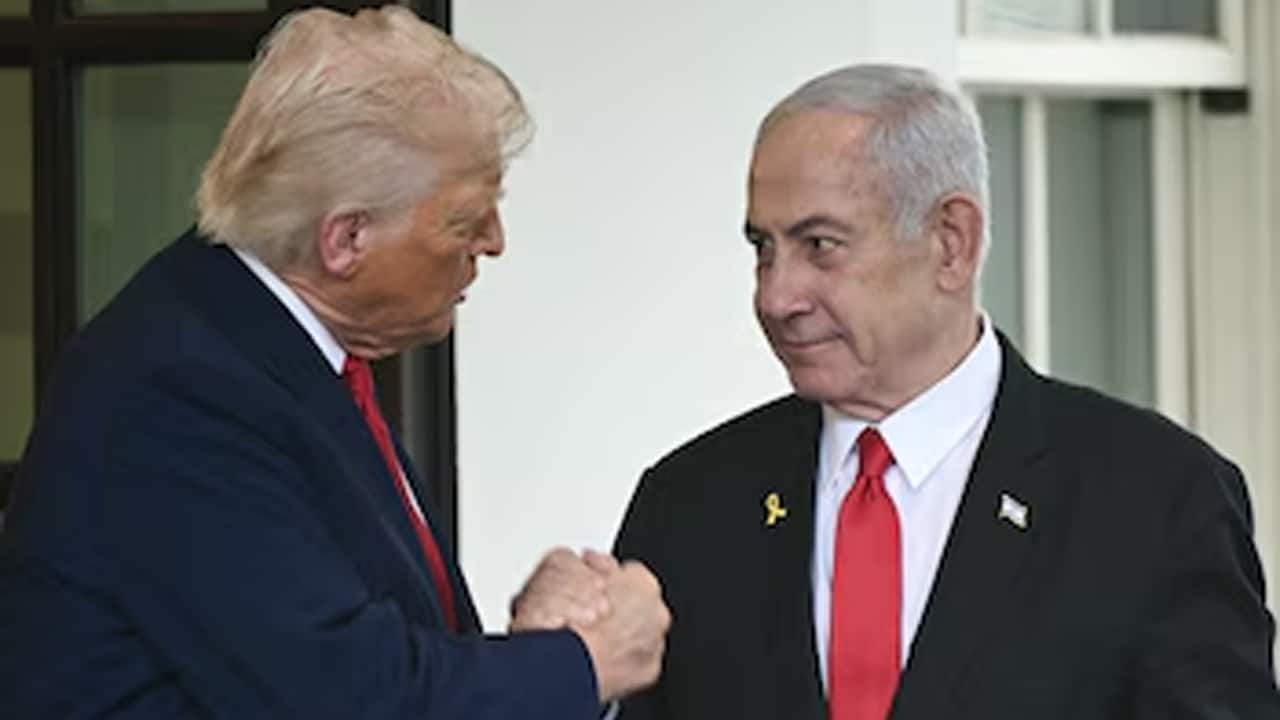
# Trump and Netanyahu Discuss Iran Conflict Amid Intensifying Fears of US-Israel Strikes
In a significant development in international relations, former U.S. President Donald Trump held a crucial conversation with Israeli Prime Minister Benjamin Netanyahu to address the escalating tensions surrounding Iran. As fears of renewed military action by the United States and Israel come to the forefront, both leaders are weighing diplomatic and military strategies to navigate this volatile situation. The discussions center on key strategic issues, including the strategic Strait of Hormuz, a vital waterway for global oil transportation.
## The Context of the Conversation
The conversation between Trump and Netanyahu comes at a pivotal moment in Middle Eastern geopolitics. With Iran’s nuclear ambitions continuing to raise alarms among Western nations, the prospect of military intervention has re-entered discussions. The Strait of Hormuz, through which approximately 20% of the world's oil passes, remains a focal point of concern, particularly with Iran’s recent aggressive posturing in the region.
Trump, who has consistently taken a hardline stance against Iran during his presidency, reiterated the importance of a united front between the U.S. and Israel. Netanyahu, on the other hand, stressed the need for a strategic approach that combines military readiness with diplomatic engagement to counter Iran's influence in the region.
## Renewed Fears of Military Action
Reports of possible renewed U.S.-Israel strikes against Iranian targets have been circulating, heightening anxieties among regional allies and adversaries alike. The potential for military confrontation raises questions about the long-term implications for stability in the Middle East. Both nations are currently evaluating their options, balancing the risks of escalation with the necessity of mitigating Iranian threats.
The discussions between Trump and Netanyahu highlight the urgency of the situation. As Iran continues to advance its nuclear program and support proxy groups across the region, the specter of military action looms large. The need for a cohesive strategy that encompasses both military and diplomatic avenues is paramount for both Israel and the United States.
## Diplomatic Efforts and Strategic Considerations
In the backdrop of military concerns, diplomatic efforts remain an essential part of the equation. The Biden administration has sought to revive the Iran nuclear deal, officially known as the Joint Comprehensive Plan of Action (JCPOA), which Trump famously abandoned in 2018. However, skepticism about Iran's intentions persists, and many lawmakers, including those in Israel, are wary of re-entering negotiations that may not adequately address the security concerns posed by Iran.
Netanyahu has long advocated for a more aggressive posture towards Iran, arguing that appeasement will not deter Tehran from pursuing its nuclear ambitions. The Israeli Prime Minister emphasized the importance of a robust military deterrent while also expressing a willingness to engage in diplomatic talks under the right conditions. This dual approach reflects a growing recognition that military action alone may not suffice to resolve the complexities of the Iran issue.
## The Strait of Hormuz: A Geopolitical Flashpoint
The Strait of Hormuz has historically been a flashpoint for geopolitical tensions, serving as a critical transit route for oil and gas shipments. Any disruption in this vital waterway could have catastrophic consequences for the global economy. Both Trump and Netanyahu are acutely aware of the potential ramifications of military engagement in this area.
Iran has threatened to close the Strait of Hormuz in response to perceived threats, raising alarms among neighboring countries and international stakeholders. The U.S. Navy has maintained a presence in the region to ensure the safe passage of commercial vessels, but the risk of miscalculation or confrontation remains high.
As the conversations between Trump and Netanyahu unfold, the importance of maintaining open lines of communication with regional allies becomes increasingly apparent. The U.S. and Israel must work collaboratively to ensure that their military postures do not inadvertently escalate tensions further.
## The Role of International Partnerships
The discussions between Trump and Netanyahu also underscore the importance of international partnerships in addressing the Iran crisis. Both leaders recognize that unilateral actions may not yield the desired outcomes and that a multilateral approach could enhance the effectiveness of their strategies.
Engagement with key international players, including European nations and Gulf states, is essential for building a cohesive strategy that addresses Iran’s nuclear ambitions while minimizing the risk of military conflict. The role of allies in the region, such as Saudi Arabia and the United Arab Emirates, cannot be overlooked, as they share concerns about Iranian expansionism and its implications for regional stability.
## The Domestic Implications
As Trump and Netanyahu navigate the complexities of international relations, the domestic political landscapes in both the U.S. and Israel are also at play. In the U.S., Trump’s influence remains significant within the Republican Party, and his foreign policy views resonate with a considerable portion of the electorate. This dynamic may impact the Biden administration's approach to Iran and the broader Middle East.
In Israel, Netanyahu faces challenges from opposition parties that question his handling of security issues. The outcome of these discussions may have implications for his political future, particularly as public sentiment regarding security and foreign policy evolves.
## Conclusion
The recent conversation between Donald Trump and Benjamin Netanyahu reflects the urgent need for a strategic response to the rising tensions surrounding Iran. As fears of military action intensify, both leaders must balance the complexities of diplomacy and military readiness. The Strait of Hormuz remains a critical focal point, emphasizing the need for a nuanced approach that considers the geopolitical landscape.
As the situation unfolds, the importance of international partnerships and collaborative strategies cannot be overstated. The world watches closely as the U.S. and Israel navigate the challenges posed by Iran, seeking to ensure stability in a region marked by uncertainty and conflict. The outcome of these discussions will likely shape the trajectory of both nations' foreign policies and their approach to one of the most pressing security challenges of our time.