
Supreme Court considers bigger public participation in defining Aravalli
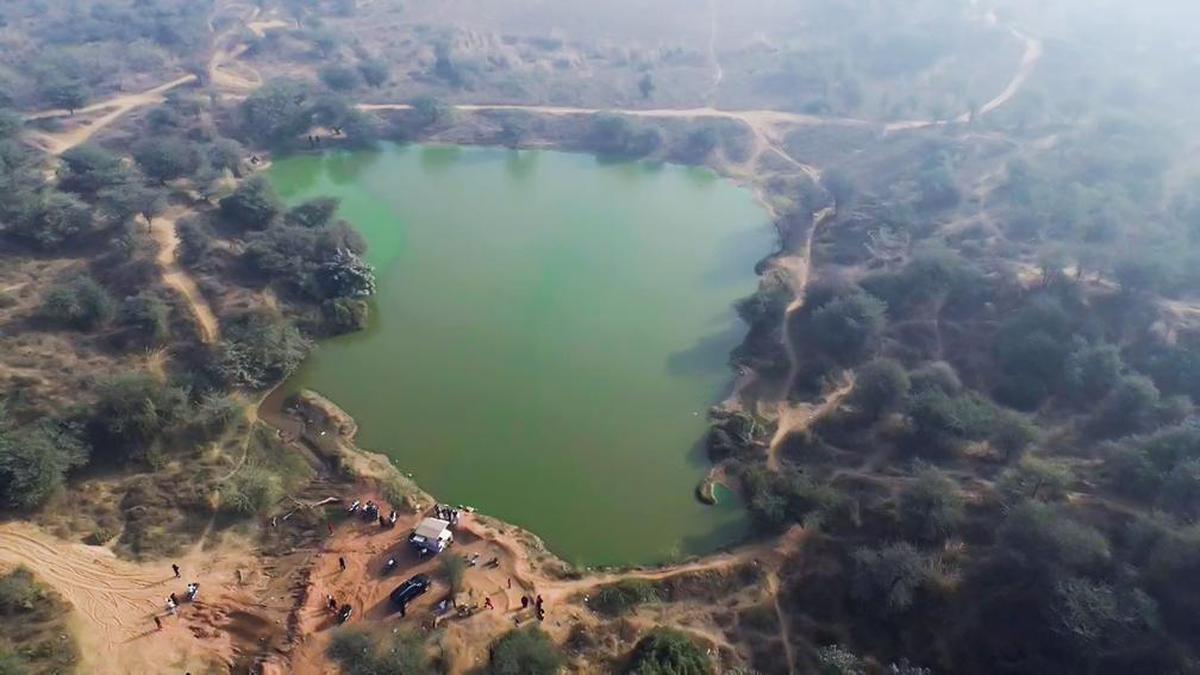
Supreme Court Advocates for Enhanced Public Engagement in Defining Aravalli Hills
In a landmark development, the Supreme Court of India has underscored the importance of public participation in the ongoing dialogue about the definition and preservation of the Aravalli hills. This initiative, aimed at bolstering ecological protection, comes at a time when environmental concerns are becoming increasingly critical. The court's decision to form a functional expert committee signifies a proactive approach to safeguard one of India’s most vital ecological regions.
Understanding the Aravalli Hills
The Aravalli range, one of the oldest mountain ranges in the world, stretches across the Indian states of Gujarat, Rajasthan, Haryana, and Delhi. Known for its rich biodiversity and significant role in the ecosystem, the Aravalli hills are a crucial water catchment area that supports various flora and fauna. Despite their ecological importance, these hills have faced threats from urban expansion, illegal mining, and other forms of exploitation.
The Supreme Court’s Initiative
In its recent ruling, the Supreme Court recognized the need for a comprehensive strategy that involves local communities and stakeholders in defining the boundaries and extent of the Aravalli hills. This approach aims to ensure that the voices of those who live in and around these hills are heard, allowing for a more inclusive definition that reflects the ecological, cultural, and social significance of the area.
The court's ruling comes amid growing concerns about environmental degradation and the need for sustainable development. By forming a functional expert committee, the Supreme Court is taking a significant step toward fostering collaboration between government entities, environmentalists, and local populations.
The Role of Public Participation
Public participation is a cornerstone of effective environmental governance. Engaging local communities in decision-making processes not only enhances the legitimacy of policies but also ensures that diverse perspectives are considered. The Supreme Court’s emphasis on this aspect reflects a broader trend in environmental law, where stakeholders are increasingly recognized as vital contributors to sustainable resource management.
The expert committee will be tasked with evaluating current ecological conditions, identifying areas at risk, and proposing strategies for conservation. By incorporating public input, the committee aims to create a balanced approach that aligns ecological needs with community interests.
The Importance of Expert Committees
The formation of an expert committee is crucial for several reasons:
1. **Scientific Assessment**: Experts can provide a detailed analysis of the ecological status of the Aravalli hills, identifying critical areas that require immediate attention.
2. **Policy Recommendations**: Based on their findings, the committee can suggest actionable policies that promote conservation while considering the socio-economic dynamics of the region.
3. **Community Engagement**: An expert committee can facilitate workshops and outreach programs to educate the public about the importance of the Aravalli hills, fostering a sense of stewardship among local residents.
4. **Monitoring and Evaluation**: The committee can establish a framework for monitoring the health of the ecosystem, ensuring that conservation measures are effective and adaptive to changing conditions.
Challenges Ahead
While the Supreme Court’s decision is a positive step toward the protection of the Aravalli hills, several challenges remain. Balancing developmental pressures with ecological preservation is a complex task that requires careful consideration and collaboration among various stakeholders.
Additionally, securing the active participation of local communities may face obstacles, including apathy or lack of awareness about the ecological significance of the hills. Therefore, it is essential for the expert committee to implement strategies that not only inform but also empower local populations to take an active role in conservation efforts.
The Role of Technology in Conservation
In the digital age, technology plays a pivotal role in conservation efforts. Geographic Information Systems (GIS), remote sensing, and data analytics can provide valuable insights into the ecological health of the Aravalli hills. By utilizing these tools, the expert committee can make informed decisions based on real-time data, enhancing the effectiveness of conservation strategies.
Moreover, social media and online platforms can serve as powerful tools for raising awareness and mobilizing community engagement. Campaigns that educate the public about the importance of the Aravalli hills can foster a collective sense of responsibility and encourage grassroots initiatives aimed at conservation.
A Collaborative Future
The Supreme Court’s initiative to foster public participation in defining the Aravalli hills sets a precedent for future environmental governance in India. By prioritizing collaboration among experts, local communities, and government bodies, this approach offers a holistic solution to the pressing environmental challenges facing the region.
As India grapples with rapid urbanization and climate change, the need for sustainable development practices has never been more critical. The Aravalli hills, with their rich biodiversity and historical significance, serve as a reminder of the delicate balance between development and ecological integrity.
Conclusion
The Supreme Court’s recent emphasis on public participation in defining the Aravalli hills marks a significant step toward ecological protection and sustainable development. By forming an expert committee and encouraging community engagement, the court is paving the way for a more inclusive approach to environmental governance.
As we look to the future, it is essential for all stakeholders—government officials, environmentalists, and local communities—to collaborate in safeguarding the Aravalli hills. By doing so, we not only protect a vital ecological resource but also ensure that future generations can enjoy the beauty and benefits of this unique landscape. The journey towards sustainable development is ongoing, and with the right strategies and collective effort, the Aravalli hills can be preserved for years to come.