
Starmer’s rivals take steps towards a contest for his post
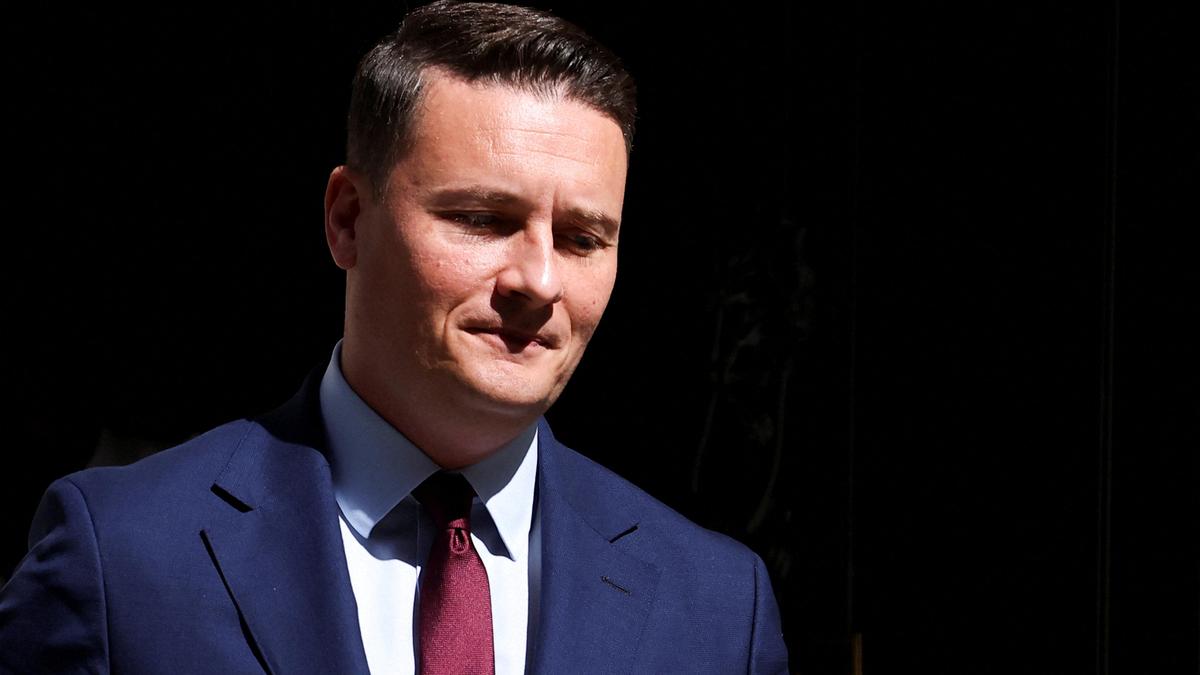
# Keir Starmer's Leadership Under Scrutiny: Rivals Position Themselves for Potential Contest
As the political landscape in the United Kingdom continues to evolve, recent developments within the Labour Party have cast a spotlight on Keir Starmer's leadership. With the next general election on the horizon, the dynamics within the party are shifting, particularly following the resignation of Health Minister Wes Streeting. This move has raised questions about Starmer's efficacy as a leader and prompted discussions among potential successors.
## The Resignation of Wes Streeting: A Turning Point
Wes Streeting, who held the position of Health Minister, recently announced his resignation, stating a profound loss of confidence in Prime Minister Keir Starmer's leadership. This decision has sent shockwaves through the Labour Party, igniting speculation about the future direction of the party and the potential for a leadership contest.
Streeting, once a staunch supporter of Starmer, cited a growing discontent among party members and the electorate as key reasons for his departure. His resignation not only underscores the internal struggles within the Labour Party but also highlights the increasing pressure on Starmer to deliver results and unify the party ahead of an impending electoral battle.
## The Implications of Streeting’s Exit
Streeting's resignation marks a significant moment in contemporary British politics. As a prominent figure within the Labour Party, his departure raises critical questions about Starmer's ability to maintain party cohesion. The timing is particularly poignant, given that the party is gearing up for crucial elections that could determine its future trajectory.
With Streeting's exit, other party members are reevaluating their positions and potential candidacies. Several individuals within the party have already begun positioning themselves for a possible leadership bid, indicating that the discontent with Starmer's leadership may extend beyond just Streeting.
## Rising Rivals: Who Might Challenge Starmer?
As the political winds shift, several prominent figures within the Labour Party are emerging as potential contenders to succeed Keir Starmer. Each of these individuals brings unique strengths and perspectives that could resonate with party members and the broader electorate.
1. Angela Rayner
One of the most notable figures positioning herself as a potential challenger is Angela Rayner, the Deputy Leader of the Labour Party. Rayner has been a vocal critic of the government and has garnered significant support from grassroots members. Her ability to connect with working-class voters and her experience in various ministerial roles make her a formidable candidate should a leadership contest arise.
2. Lisa Nandy
Another key player is Lisa Nandy, the Shadow Foreign Secretary. Nandy has been vocal about the need for the Labour Party to adopt a more progressive stance on various issues, including climate change and social justice. Her experience and articulate communication style could position her as a strong contender should Starmer's leadership come under further scrutiny.
3. David Lammy
David Lammy, the Shadow Foreign Secretary, is also viewed as a potential rival to Starmer. Known for his articulate arguments and strong presence on social media, Lammy has established himself as a prominent voice within the party. His leadership skills and international experience could make him an attractive option for party members seeking change.
4. Yvette Cooper
Yvette Cooper, a seasoned politician and former Cabinet Minister, is another name that has surfaced in discussions about potential leadership contenders. Cooper's extensive experience in government and her ability to navigate complex political landscapes could prove beneficial in a leadership race. Her focus on social issues and economic reform resonates with many Labour supporters.
## The Importance of Leadership in the Coming Elections
As the Labour Party prepares for the upcoming elections, the significance of strong leadership cannot be overstated. With the Conservative Party facing its own challenges, Labour has a unique opportunity to capitalize on any discontent within the ruling party. However, this requires unity and a clear vision, elements that may be at risk given the current discontent with Starmer's leadership.
The recent developments have underscored the importance of effective communication and engagement with party members. The Labour Party must ensure that its leadership is in tune with the needs and aspirations of its base, especially as the electorate becomes increasingly disillusioned with traditional political structures.
## The Role of Social Media in Political Dynamics
In today's digital age, social media plays a crucial role in shaping political narratives. The resignation of Wes Streeting and the subsequent discussions about leadership contenders have been widely shared across various platforms, amplifying the voices of dissent and support alike. Engaging with supporters through social media allows potential candidates to build their profiles and connect with voters on a personal level.
Candidates like Angela Rayner and David Lammy have effectively utilized social media to communicate their messages and rally support. As the political landscape continues to shift, leveraging these platforms will be essential for any contender hoping to challenge Starmer's leadership.
## The Path Forward for the Labour Party
As the Labour Party grapples with the implications of Streeting's resignation, it must also focus on developing a coherent strategy for the upcoming elections. This includes addressing the concerns raised by party members and the electorate, forging a united front, and articulating a clear vision for the future.
Potential leadership contenders must demonstrate their ability to not only challenge Starmer but also to bring the party together. A divided party could spell disaster in the upcoming elections, potentially allowing the Conservative Party to solidify its hold on power.
## Conclusion: A Pivotal Moment for the Labour Party
The resignation of Wes Streeting and the subsequent discussions about potential leadership contenders mark a pivotal moment for the Labour Party. As the party navigates internal challenges and prepares for the upcoming elections, the pressure on Keir Starmer’s leadership intensifies.
With a range of potential rivals emerging, the next steps will be crucial in determining the future direction of the party. Unity, strong leadership, and a clear vision for the electorate will be essential if Labour hopes to reclaim its position as a formidable force in British politics. As the political landscape continues to evolve, all eyes will be on the Labour Party and its path forward in these uncertain times.