
Scientists finally discover why gold never loses its shine after thousands of years
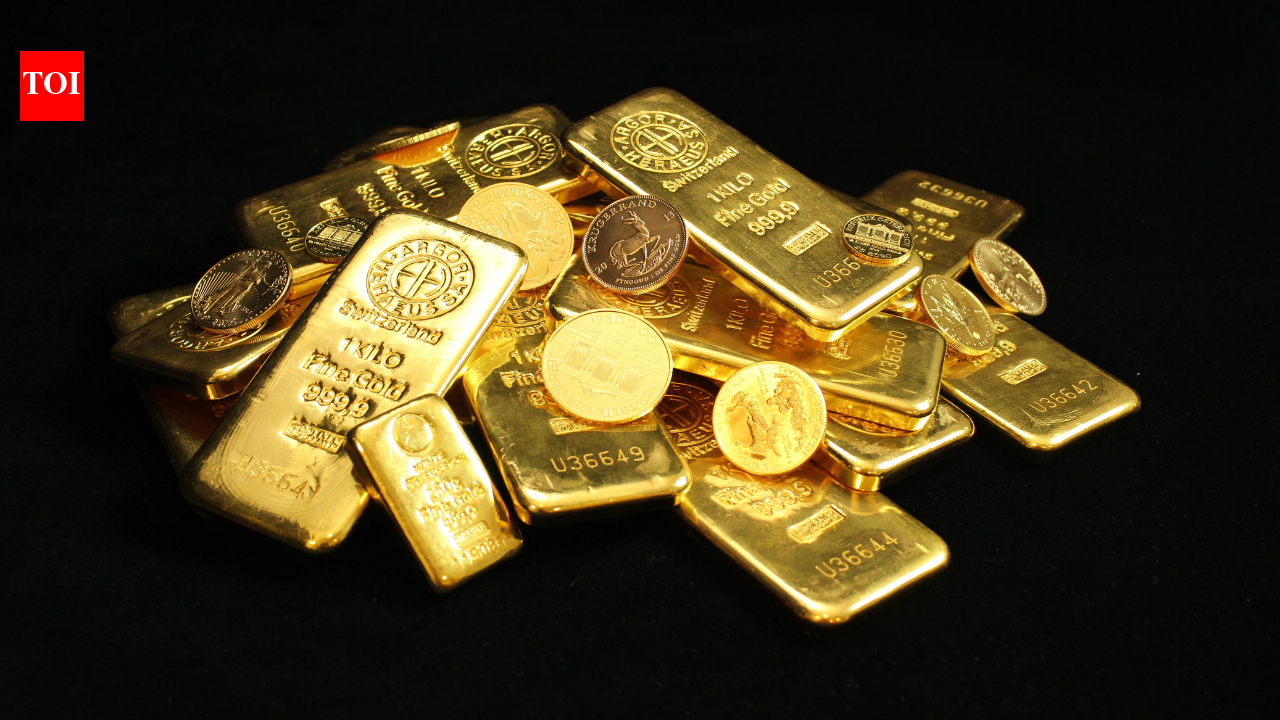
# The Timeless Allure of Gold: Scientists Uncover Why This Precious Metal Never Loses Its Shine
Gold has captivated civilizations for thousands of years with its radiant luster and enduring beauty. From ancient coins and exquisite jewelry to royal artifacts, this precious metal has held a special place in human history. But what is it about gold that allows it to maintain its gleaming appearance long after it has been mined and crafted? Recently, a team of scientists has made significant strides in understanding this phenomenon, shedding light on the unique properties of gold that contribute to its lasting shine.
## The Historical Significance of Gold
Gold has been treasured by cultures across the globe, serving as a symbol of wealth, power, and beauty. Ancient Egyptians used gold to adorn their tombs and mummies, believing it would grant eternal life. In ancient Rome, gold coins facilitated trade and commerce, while in Asia, it has been a staple in traditional jewelry and ornaments. The allure of gold transcends time and geography, making it one of the most coveted materials throughout history.
## What Makes Gold Unique?
Unlike many other metals, gold is remarkably resistant to tarnishing and corrosion. While silver may develop a dull patina and copper can rust, gold retains its brilliance and luster. The key to this resilience lies in its atomic structure and chemical properties. Gold is a noble metal, meaning it does not readily react with oxygen or moisture in the environment. This characteristic is primarily due to its electron configuration, which makes it stable and unreactive.
The Role of Atomic Structure
At the atomic level, gold is composed of tightly packed atoms that do not easily lose or gain electrons. This stability minimizes the likelihood of chemical reactions that would otherwise lead to tarnishing. Additionally, gold’s high atomic number contributes to its density and durability, making it one of the most robust materials known to humankind.
The Impact of Gold's Surface Properties
Scientists have also discovered that the surface of gold plays a crucial role in maintaining its luster. The metal's surface is composed of a layer of atoms that are tightly bound together, forming a protective barrier against environmental factors that could lead to degradation. This layer ensures that any contaminants or pollutants adhere less effectively to the surface, allowing gold to retain its shine over centuries.
## Recent Scientific Breakthroughs
In a recent study led by a team of researchers at a prestigious university, scientists delved deeper into the properties of gold, utilizing advanced imaging technologies and chemical analysis methods. Their findings have not only confirmed previous theories about gold's stability but have also opened new avenues for understanding other noble metals.
Advanced Imaging Techniques
Using cutting-edge imaging techniques, researchers were able to observe the atomic arrangement of gold at a level of detail never achieved before. This allowed them to visualize the interactions between gold atoms and external factors, such as air and moisture. By simulating various environmental conditions, the team was able to replicate the longevity of gold’s shine, providing valuable insights into its protective properties.
Implications for Other Noble Metals
The implications of this research extend beyond gold itself. The findings may also inform future studies on other noble metals, such as platinum and palladium. Understanding the mechanisms behind gold's resistance to tarnishing could lead to advancements in various industries, including electronics, jewelry manufacturing, and even medicine.
## The Cultural and Economic Impact of Gold
Gold's enduring appeal is not only rooted in its physical properties but also in its cultural significance. As a form of currency and an investment vehicle, gold has remained a reliable asset throughout economic fluctuations. In times of uncertainty, investors often turn to gold as a safe haven, driving demand and shaping market dynamics.
Gold in Modern Society
In contemporary society, gold continues to play a vital role in various sectors. The jewelry industry thrives on gold's aesthetic qualities, while the technology sector relies on its conductivity and resistance to corrosion. Moreover, gold is a critical component in the production of high-end electronics, such as smartphones and computers. Its unique properties make it an irreplaceable material in these applications.
The Environmental Considerations
Despite its many advantages, the extraction of gold poses significant environmental challenges. Mining activities can lead to habitat destruction, water pollution, and other ecological impacts. As awareness of these issues grows, there is a push for sustainable practices within the gold mining industry. Innovative techniques that minimize environmental harm while maximizing yield are becoming increasingly important as consumers demand ethically sourced materials.
## Conclusion: The Timeless Nature of Gold
The recent discoveries regarding gold's ability to retain its shine serve not only as a testament to the metal's unique properties but also as a reminder of its profound impact on human civilization. From ancient artifacts to modern applications, gold continues to fascinate and inspire. As scientists further explore the intricacies of this noble metal, we can expect to uncover even more about its enduring allure.
By understanding the science behind gold's longevity, we can appreciate not only its beauty but also its significance in our world. As we move forward, the challenge lies in balancing our admiration for gold with our responsibility to the environment, ensuring that this precious metal remains a symbol of prosperity for generations to come.