'Pakistanis will travel to Tehran today,' says Marco Rubio as he sees ‘good signs’ in fragile Iran war talks
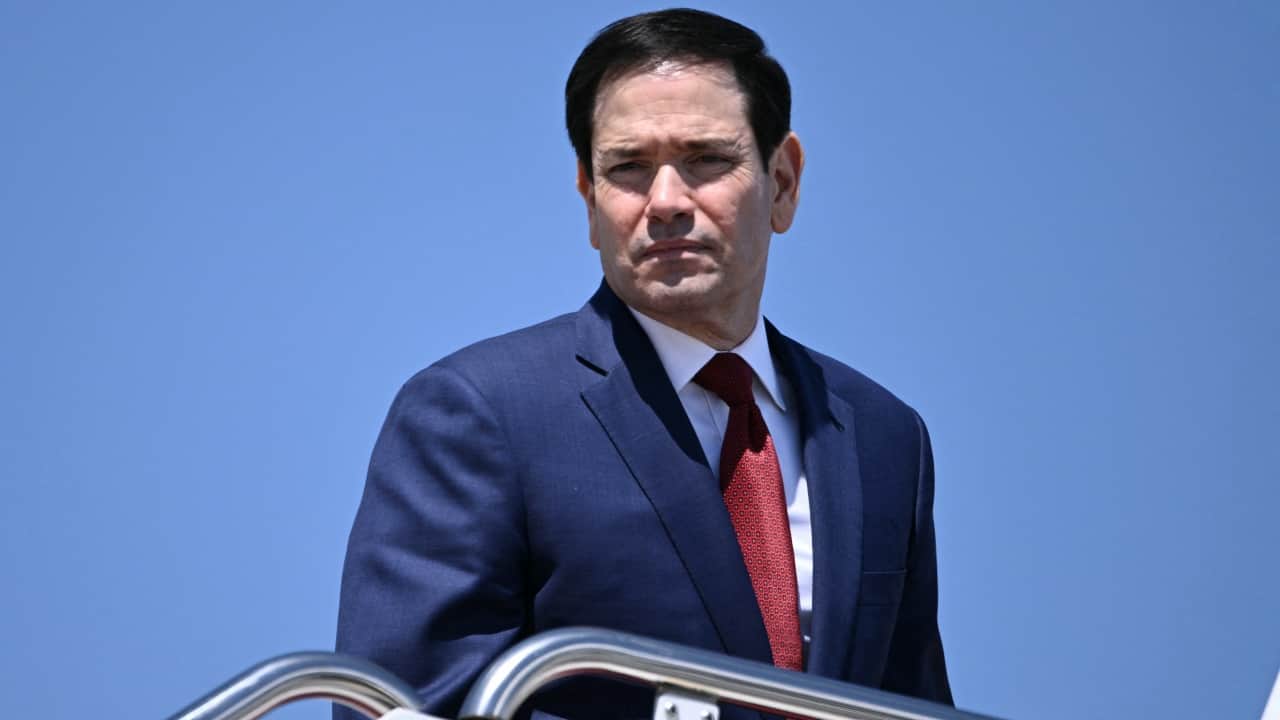
# Marco Rubio Highlights Fragile Iran War Negotiations as Pakistanis Prepare to Travel to Tehran
In a significant development in international relations, U.S. Senator Marco Rubio has announced that a group of Pakistanis is set to travel to Tehran today. This announcement comes amidst fragile negotiations surrounding the ongoing conflict in Iran, raising questions about the current state of diplomacy in the region. Rubio, who has been vocal about the complexities of U.S.-Iran relations, expressed cautious optimism while also emphasizing the need for vigilance. As the situation unfolds, the implications for regional stability and international diplomacy remain profound.
## The Context of Iran's Fragile Negotiations
The geopolitical landscape in the Middle East has long been characterized by tension and uncertainty, particularly in Iran, where internal divisions complicate the prospect of stable governance and peace negotiations. The recent resurgence of diplomatic talks aimed at addressing these issues has been met with both hope and skepticism.
Senator Rubio's remarks highlight the delicate balance negotiators must maintain while engaging with a nation fraught with internal power struggles. "While there are good signs emerging from the negotiations," Rubio stated, "we must remain cautious as the Iranian system itself is marked by significant divisions." This acknowledgment of Iran's complex political environment underscores the challenges faced by all parties involved in the negotiations.
## The Role of Pakistan in Regional Diplomacy
Pakistan's involvement in this context is particularly noteworthy. As a neighboring country with shared interests in regional stability, Pakistan's engagement with Iran could play a crucial role in shaping the future of diplomatic relations in the region. The travel of Pakistanis to Tehran may signify a willingness to foster dialogue and understanding between the two nations, potentially paving the way for collaborative efforts to mitigate conflict.
Rubio's comments serve as a reminder that diplomacy is often a delicate dance of interests, and the outcome is never guaranteed. The senator's cautious optimism reflects a broader sentiment among U.S. officials who are closely monitoring the situation as it develops.
## Internal Divisions Within the Iranian System
One of the most significant challenges in the ongoing negotiations is the presence of internal divisions within Iran. These divisions can manifest in various forms, including ideological differences, power struggles among political factions, and social unrest. As the Iranian government navigates these complexities, the potential for miscommunication and miscalculation increases, making the negotiation process even more precarious.
Rubio's warning about these divisions is particularly pertinent in light of the recent protests and calls for reform within Iran. The Iranian leadership faces mounting pressure from both domestic and international actors, complicating the decision-making process. As the U.S. engages in talks, understanding these internal dynamics will be vital for crafting effective strategies that promote peace and stability in the region.
## The U.S. Perspective on Iran
From the United States' standpoint, engaging with Iran involves a careful balancing act. While there is recognition of the need to address pressing issues such as nuclear development and regional aggression, U.S. officials remain wary of Iran's historical patterns of behavior. Rubio's statements reflect a broader consensus that any diplomatic engagement must be approached with caution, as past negotiations have often yielded limited results.
The U.S. strategy involves not only addressing immediate concerns but also fostering long-term stability in the region. This requires a nuanced understanding of Iran's political landscape and the motivations of its leadership. As Senator Rubio noted, "We cannot afford to be naive in our approach; the stakes are too high."
## The Future of U.S.-Iran Relations
As the world watches the developments in Iran closely, the future of U.S.-Iran relations remains uncertain. The potential for diplomatic breakthroughs exists, but it is tempered by the realities of power struggles within Iran and the broader geopolitical context.
The involvement of regional players, such as Pakistan, may provide an opportunity for constructive engagement. Pakistan's historical ties to Iran and its strategic position in the region could facilitate dialogue and collaboration. However, any progress will depend on the willingness of all parties to navigate the complexities of their respective interests.
## Conclusion: A Cautious Path Forward
As Pakistanis prepare to travel to Tehran, the fragile negotiations surrounding Iran's political future remain in the spotlight. Senator Marco Rubio's remarks serve as a reminder of the intricate dynamics at play in U.S.-Iran relations. While there are encouraging signs of dialogue, the internal divisions within Iran and the broader geopolitical landscape necessitate a cautious approach.
The coming days and weeks will be crucial for understanding the trajectory of these negotiations. As the situation evolves, the potential for both conflict and collaboration exists, underscoring the importance of sustained diplomatic efforts. In this complex environment, fostering dialogue and understanding will be essential for promoting stability and peace in the region. The world will be watching, hopeful for a resolution that can benefit not only Iran and the United States but also the broader Middle East.