
Not an essential part of Eid: Calcutta HC refuses to stay cattle slaughter restrictions ahead of festival
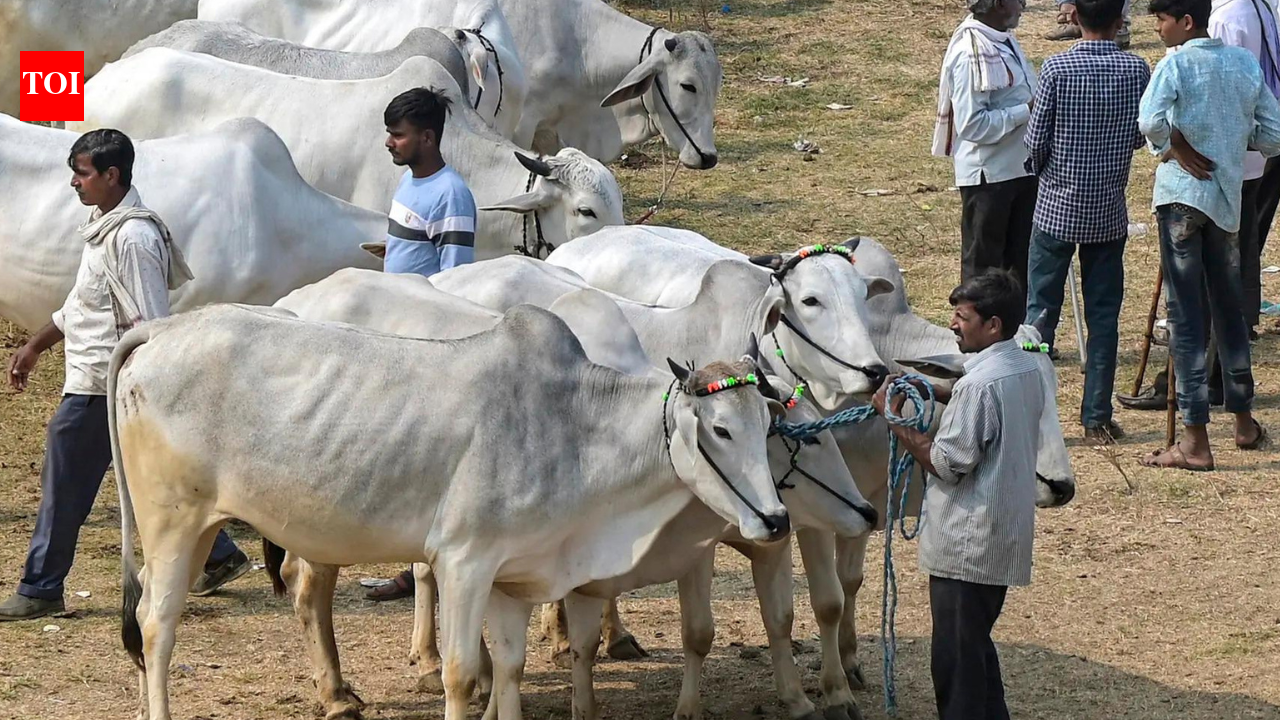
Title: Calcutta High Court Upholds Cattle Slaughter Restrictions Ahead of Eid Festival
Introduction
As the festive season of Eid approaches, a significant legal ruling has emerged from the Calcutta High Court, sparking discussions across the nation. In a recent decision, the court has chosen not to stay the West Bengal government's notification that restricts the slaughter of bulls and bullocks. This ruling has raised questions about the intersection of religious practices, animal rights, and state regulations, particularly during a time when many Muslims celebrate Eid al-Adha, a festival that traditionally involves the sacrifice of animals. This article delves into the implications of the court's decision, the reasoning behind the restrictions, and the broader context of animal rights in India.
Background of the Case
The West Bengal government issued a notification aimed at regulating the slaughter of cattle, specifically targeting bulls and bullocks, citing concerns over animal welfare and public health. The notification has been met with mixed reactions, particularly from the Muslim community, which views the slaughter of these animals as an integral part of their Eid celebrations. The Calcutta High Court's recent ruling to uphold these restrictions has intensified the debate surrounding the balance between religious freedoms and animal rights.
Understanding the Court's Ruling
On Thursday, the Calcutta High Court declined to interfere with the West Bengal government's restrictions on cattle slaughter. The court's decision was based on the premise that the state has the authority to regulate animal slaughter to ensure public health and welfare. The judges emphasized that the government has a responsibility to safeguard animals and that such regulations are not inherently discriminatory against any religious practice.
Legal experts suggest that the court's ruling reflects a growing trend in India where state governments are increasingly implementing stringent regulations regarding animal rights and welfare. This trend has raised questions about the extent to which religious practices can coexist with such regulations, particularly in a diverse country like India, where multiple religions and cultures coexist.
Eid al-Adha and Its Significance
Eid al-Adha, also known as the Festival of Sacrifice, commemorates the willingness of Prophet Ibrahim (Abraham) to sacrifice his son as an act of obedience to God. In remembrance of this event, Muslims around the world engage in the ritual of animal sacrifice, sharing the meat with family, friends, and those in need. The festival holds profound spiritual significance, symbolizing faith, devotion, and community.
For many Muslims in India, the tradition of sacrificing cattle during Eid al-Adha is not merely a cultural observance but a deeply rooted religious obligation. The restrictions imposed by the West Bengal government, therefore, pose a challenge for many who wish to uphold their religious practices during this important time.
The Response from the Community
Following the court's ruling, reactions have poured in from various quarters. Some community leaders and activists have voiced their concerns, arguing that the restrictions infringe upon religious freedoms. They contend that the right to practice one's religion is enshrined in the Indian Constitution, and any attempt to regulate religious practices must be approached with caution.
Conversely, animal rights activists and supporters of the government's notification have hailed the ruling as a necessary step toward protecting animals and promoting humane treatment. They argue that the welfare of animals should take precedence, especially in a country where issues of cruelty and neglect are prevalent.
The Broader Context of Animal Rights in India
India has a complex relationship with animal rights, shaped by its diverse cultural, religious, and social fabric. While many religious practices involve animal sacrifice, there is also a growing movement advocating for the protection of animals and their welfare. The Constitution of India recognizes the need to prevent animal cruelty, and various laws have been enacted over the years to safeguard their rights.
In recent years, several states have introduced strict regulations concerning the slaughter of cattle, leading to heated debates about the balance between animal rights and religious freedoms. The challenges arise from the differing views held by various communities, making it imperative for lawmakers and the judiciary to tread carefully in navigating these sensitive issues.
Implications of the Ruling
The Calcutta High Court's decision has implications beyond the immediate context of Eid al-Adha. It sets a precedent for how similar cases may be handled in the future, influencing the legal landscape surrounding animal rights and religious practices. As states across India continue to grapple with regulations regarding animal welfare, this ruling highlights the need for dialogue and understanding between different communities.
Furthermore, the ruling may prompt discussions around the need for alternative practices that honor religious traditions while also respecting animal welfare. Some community leaders have suggested that promoting awareness and education about humane practices can bridge the gap between religious observance and animal rights.
Conclusion
The Calcutta High Court's refusal to stay the West Bengal government's restrictions on cattle slaughter ahead of Eid raises important questions about the intersection of religious practices and animal welfare. As India continues to navigate these complex issues, it is crucial to foster dialogue and understanding among diverse communities. The balance between upholding religious traditions and ensuring the humane treatment of animals requires thoughtful consideration and empathy.
As Eid al-Adha approaches, it remains to be seen how communities will respond to the court's ruling and what steps will be taken to respect both religious freedoms and animal rights. The ongoing conversation surrounding these topics will undoubtedly shape the future of animal welfare regulations and religious practices in India, making it a critical area of focus for lawmakers, activists, and citizens alike.