
New attacks hit ships near Hormuz as Donald Trump discusses Iran war with China's President Xi Jinping
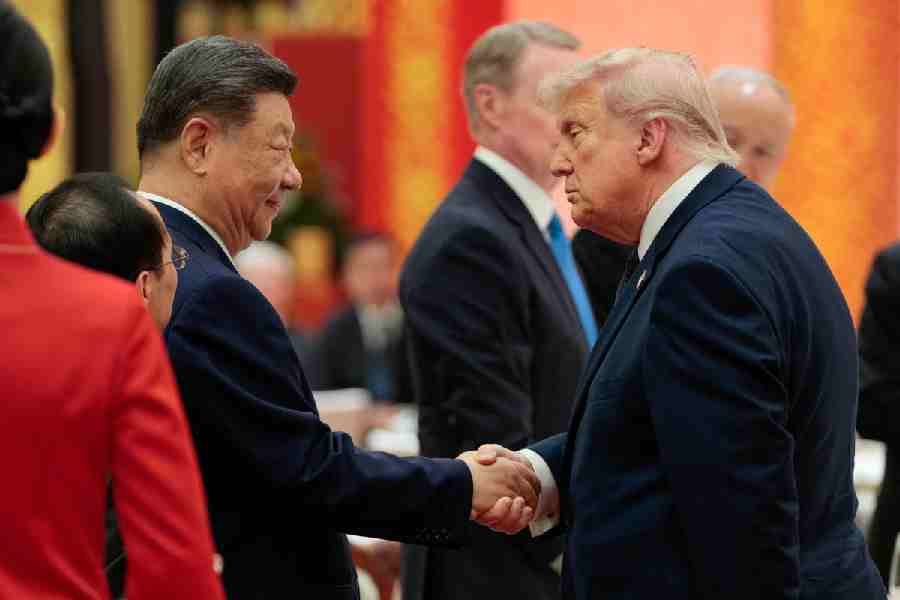
# New Attacks on Ships Near Hormuz: A Growing Concern as Trump Engages in Talks with Xi Jinping
In a troubling escalation of maritime tensions, an Indian cargo vessel transporting livestock from Africa to the United Arab Emirates sank on Thursday in the waters off the coast of Oman. This incident, occurring in a strategically vital region, raises significant concerns about the safety of shipping routes and the potential for wider conflict. As international leaders, including former U.S. President Donald Trump, engage in discussions about Iran's military actions and their implications, the situation in the Gulf remains precarious.
## The Incident: What We Know So Far
The Indian cargo vessel, reportedly en route to the UAE, was struck by an unknown assailant in the Gulf of Oman, leading to its unfortunate sinking. Fortunately, the crew was rescued before the vessel went under, highlighting the urgency of addressing the rising threats to maritime safety in this crucial shipping lane. The Gulf of Oman serves as a vital corridor for global trade, with millions of barrels of oil and goods passing through its waters daily.
Reports indicate that this attack is part of a broader pattern of hostile actions targeting commercial shipping in the region, raising alarms among international maritime authorities. The maritime security situation has been deteriorating, prompting calls for increased vigilance and protective measures to safeguard vessels traversing these hazardous waters.
## The Geopolitical Context
The Gulf of Oman and the Strait of Hormuz are critical chokepoints for global oil transportation, with approximately 20% of the world's oil supply passing through these waters. The region has long been fraught with tensions, particularly between Iran and its adversaries, including the United States and its allies.
In recent years, Iran has been accused of engaging in aggressive actions against shipping vessels, often citing its desire to assert control over the waterways. The Iranian government has denied involvement in many of these incidents, but the pattern of attacks has raised concerns about the potential for a larger conflict.
As Donald Trump discusses Iran's military ambitions and the implications for global stability with China's President Xi Jinping, the focus on the Gulf region intensifies. The conversations between these two leaders underscore the interconnectedness of global geopolitics, particularly regarding energy security and international trade.
## The Role of International Diplomacy
The sinking of the Indian cargo vessel is a stark reminder of the fragility of maritime security in the Middle East. In response to the rising tensions, several countries have called for collaborative efforts to enhance security measures for ships operating in the area.
The United States has previously deployed naval forces to the region to deter Iranian aggression and ensure the safe passage of vessels. However, the effectiveness of these measures remains a subject of debate, especially as tensions escalate.
China, as a major global player and a significant consumer of oil transported through the Strait of Hormuz, has a vested interest in maintaining stability in the region. The discussions between Trump and Xi are not only about immediate security concerns but also about the long-term implications for trade and energy supply chains.
## The Implications for Global Trade
The attacks on vessels in the Gulf of Oman pose a serious risk to global trade dynamics. Any disruption in shipping routes can lead to increased shipping costs, delays in delivery, and ultimately affect consumer prices worldwide. In an era of interconnected economies, the ramifications of instability in the Gulf can be felt far beyond its borders.
Shipping companies are now facing the daunting task of assessing the risks associated with operating in these waters. Some may opt to reroute their vessels, leading to longer transit times and higher costs. Others may increase insurance premiums, further impacting the cost of goods.
The rising tensions also have the potential to influence oil prices globally. A significant disruption in oil transportation through the Strait of Hormuz could lead to price hikes, affecting everything from gasoline prices at the pump to the cost of goods that rely on petroleum products for transportation and production.
## The Potential for Escalation
As the situation continues to evolve, the potential for escalation remains a significant concern. The attacks on commercial vessels could provoke military responses from affected nations, leading to a cycle of retaliation that escalates tensions even further.
Moreover, the involvement of major powers like the United States and China complicates the situation. Both nations have their strategic interests in the region, and any miscalculation or miscommunication could lead to unintended consequences.
The international community must remain vigilant and engaged in diplomatic efforts to de-escalate tensions. Initiatives aimed at fostering dialogue among regional stakeholders could help to mitigate the risks associated with maritime security.
## Conclusion: Navigating a Complex Landscape
The recent sinking of an Indian cargo vessel in the Gulf of Oman highlights the urgent need for enhanced maritime security in a region fraught with tension. As international leaders grapple with the implications of Iran's military actions, the safety of shipping routes remains a critical concern for global trade and energy security.
The discussions between Donald Trump and Xi Jinping represent an opportunity for dialogue and collaboration in addressing these challenges. However, the path forward is fraught with complexities, and the potential for escalation necessitates a concerted effort from the international community to promote stability in the Gulf region.
As the world watches these developments unfold, the imperative for diplomatic engagement and proactive measures to safeguard maritime safety has never been clearer. The stakes are high, and the future of global trade may hinge on the actions taken in the coming days and weeks.