
India’s government orders handover of exclusive Delhi Gymkhana Club
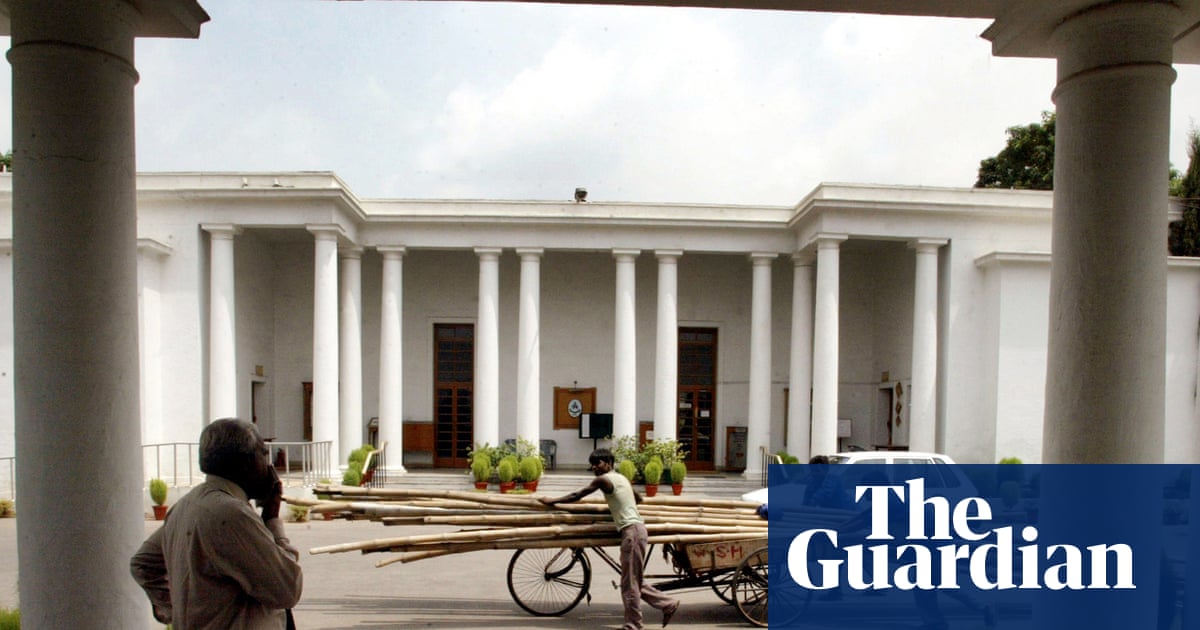
# India’s Government Orders Handover of Exclusive Delhi Gymkhana Club: A Shift in Elite Culture
In a significant move that underscores the Indian government's ongoing efforts to challenge the entrenched power of traditional elites, the administration has officially ordered the handover of the prestigious Delhi Gymkhana Club. This decision marks a pivotal moment in a broader narrative about socio-economic disparities, exclusivity, and the future of elite institutions in India. As Prime Minister Narendra Modi continues to advocate for a more inclusive society, the implications of this order could resonate far beyond the club's storied walls.
## The Delhi Gymkhana Club: A Historical Overview
Established in 1913, the Delhi Gymkhana Club has long been regarded as one of the most exclusive social clubs in India. It has served as a gathering place for influential politicians, business magnates, and members of the upper echelons of society. Historically, the club has been synonymous with privilege and elitism, catering to a select group of individuals who have often held significant sway over the country's political and economic landscape.
The club's facilities include a range of recreational activities, including tennis, squash, and dining options that reflect a lifestyle reserved for the affluent. Its reputation as a bastion of elite social life has drawn criticism over the years, particularly as India grapples with issues of social inequality and access to opportunities.
## The Government's Directive: A Response to Social Inequities
The directive to hand over the Delhi Gymkhana Club comes at a time when the Indian government is emphasizing inclusivity and accessibility. Prime Minister Modi's administration has made it clear that it seeks to dismantle the barriers maintained by traditional elite institutions, which often perpetuate social divides. By taking control of the club, the government aims to democratize access to its facilities and promote a culture that celebrates diversity rather than exclusivity.
This initiative aligns with Modi's broader vision of "Sabka Saath, Sabka Vikas" (Together with All, Development for All), which underscores the need for inclusive growth. The directive also reflects a growing sentiment among the public that elite institutions should not be immune from scrutiny and reform.
## The Political Landscape: Elites Under Scrutiny
The government's actions can be seen as part of a larger trend in Indian politics, where traditional elites are increasingly under scrutiny. The Modi administration has made it a priority to address the grievances of the lower and middle classes, who often feel marginalized by the existing power structures. The move to take over the Delhi Gymkhana Club serves as a symbolic gesture aimed at dismantling the aura of invincibility that surrounds elite institutions.
Critics of the government’s approach argue that such measures could lead to a dilution of the cultural heritage associated with long-standing institutions. However, proponents believe that reform is essential for fostering a more equitable society that values merit over lineage. The handover of the Gymkhana Club is a critical step toward ensuring that social institutions reflect the diverse fabric of Indian society.
## Reactions from the Elite: Support and Opposition
The announcement has elicited a mixed response from various stakeholders, particularly among the elite who have long enjoyed membership in the club. Some members have expressed concerns that the government's decision could threaten the club's legacy and exclusivity. They argue that the club's historical significance should be preserved and that it has played a vital role in the cultural and social life of Delhi.
On the other hand, there are voices within the elite community that support the government's move as an opportunity for change. Some believe that opening up the club to a broader segment of the population could lead to innovative ideas and perspectives, enriching the club's culture. This division among the elite highlights the complexities of privilege and the varying attitudes toward inclusivity in a rapidly changing society.
## The Road Ahead: Implications for Other Elite Institutions
The handover of the Delhi Gymkhana Club could set a precedent for other elite institutions across India. As the government continues to challenge traditional power dynamics, it is likely that more exclusive clubs and organizations will face scrutiny regarding their access policies and membership criteria.
This shift may encourage other institutions to re-evaluate their practices and consider more inclusive approaches that cater to a wider audience. By promoting diversity and accessibility, these organizations may not only enhance their relevance but also contribute to a more equitable society.
## Conclusion: A New Era for Elite Institutions in India
The Indian government's directive to take over the Delhi Gymkhana Club signifies a transformative moment in the ongoing struggle against social inequality and elitism. As Prime Minister Modi's administration seeks to foster a more inclusive society, this decision serves as both a challenge to the status quo and an opportunity for meaningful reform.
While the future of the Delhi Gymkhana Club remains uncertain, one thing is clear: the conversation surrounding elite institutions in India is evolving. As society grapples with the complexities of privilege and access, the government's actions may pave the way for a new era where inclusivity and diversity are prioritized over exclusivity.
As India moves forward, it will be crucial to monitor how these changes unfold and what impact they will have on the cultural and social landscape of the nation. The handover of the Delhi Gymkhana Club is not just a local issue; it represents a shift in the broader narrative of India's quest for equality and justice.