
India moves beyond E20: Government notifies E30 petrol standards as crude oil crisis bites
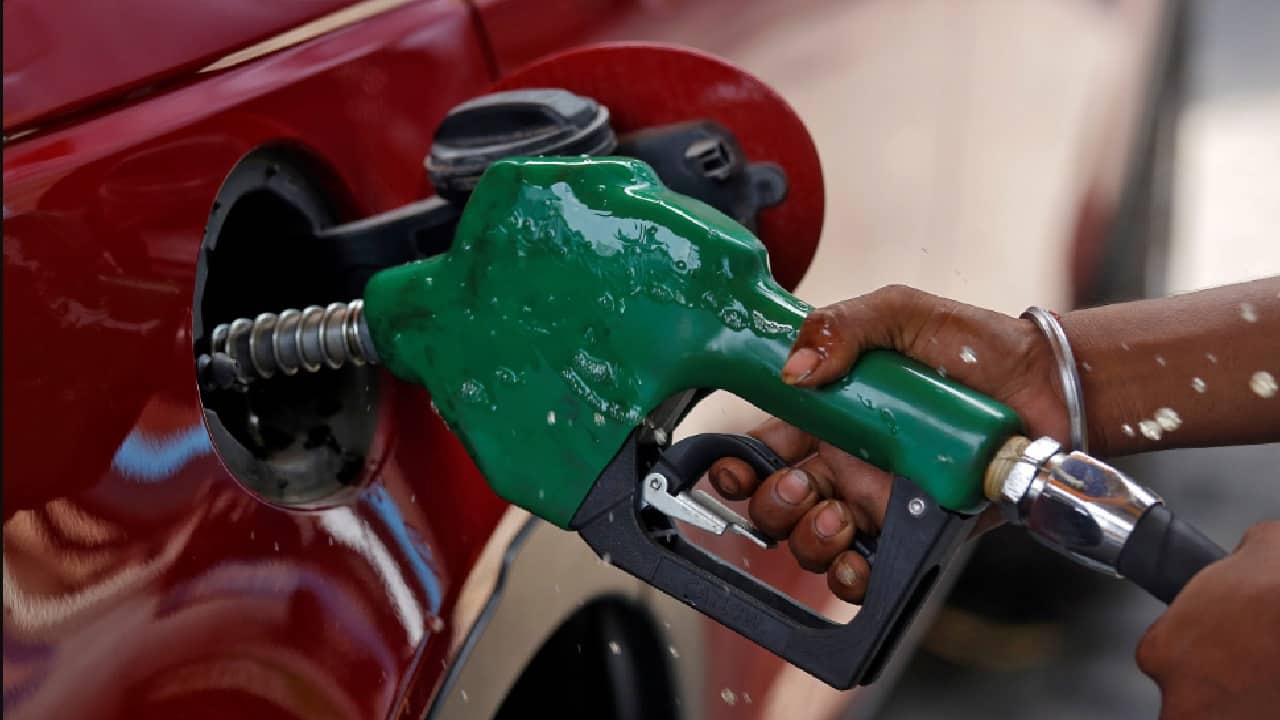
# India Moves Beyond E20: Government Notifies E30 Petrol Standards Amid Crude Oil Crisis
In a significant move towards enhancing energy security and promoting sustainable fuel alternatives, the Indian government has officially notified the standards for E30 petrol. This transition comes in the wake of a global crude oil crisis that has prompted the country to seek innovative solutions to reduce its dependence on fossil fuels. The Bureau of Indian Standards (BIS) has outlined formal specifications not only for E30 but also for E22, E25, and E27 petrol blends. This article delves into the implications of this development, the government's broader ethanol blending program, and what it means for consumers and the environment.
## The Drive for Ethanol Blending
India's push towards higher ethanol blending in petrol is part of its broader strategy to achieve energy independence, reduce greenhouse gas emissions, and support the agricultural sector. Ethanol, a renewable biofuel derived primarily from sugarcane, corn, and other biomass, not only contributes to cleaner air but also provides farmers with an additional source of income.
Historically, India has lagged in its adoption of ethanol-blended fuels, but recent initiatives signal a shift. The government's aim was to blend 20% ethanol in petrol (E20) by 2025. With the new BIS notification, the country is setting its sights higher, establishing standards for up to 30% ethanol blending (E30).
## Understanding the E30 Petrol Standards
The recent BIS notification introduces formal specifications for multiple ethanol-blended petrol categories, including E22, E25, E27, and E30. Each of these blends incorporates varying percentages of ethanol, and the establishment of these standards paves the way for their widespread acceptance and use in the automotive sector.
What is E30 Petrol?
E30 petrol is a fuel blend that consists of 30% ethanol and 70% gasoline. This blend is designed to be compatible with existing petrol engines, although manufacturers are encouraged to ensure that vehicles can handle higher ethanol content without compromising performance or safety.
Benefits of E30 and Other Blends
1. **Environmental Impact**: Blending ethanol with petrol significantly reduces carbon emissions when compared to traditional gasoline. E30, in particular, has the potential to cut greenhouse gas emissions by up to 30%.
2. **Energy Independence**: By increasing the use of domestically produced ethanol, India can reduce its reliance on imported crude oil. This is especially crucial in light of fluctuating global oil prices and geopolitical tensions that can disrupt supply chains.
3. **Support for Farmers**: The increased demand for ethanol will provide a stable market for agricultural products, particularly sugarcane. This can lead to improved livelihoods for many farmers across the country.
4. **Economic Growth**: The ethanol industry is poised for growth, creating jobs and stimulating investment in rural areas. The establishment of E30 standards is expected to catalyze further advancements in biofuel production technologies.
## The Crude Oil Crisis and Its Implications
The global crude oil crisis has been a wake-up call for many countries, including India. With rising oil prices and supply disruptions caused by geopolitical conflicts and natural disasters, nations are exploring alternatives to safeguard their economies and energy security.
In India, the crisis has prompted the government to accelerate its ethanol blending program. The introduction of E30 standards is a proactive response to the challenges posed by volatile oil markets. By diversifying its fuel sources, India can mitigate the risks associated with oil price fluctuations and enhance its energy resilience.
## Implementation Challenges
While the introduction of E30 petrol standards marks a significant advancement in India's ethanol blending program, several challenges remain.
Infrastructure Development
For E30 and other blends to be widely adopted, significant investments in infrastructure are required. This includes upgrading fuel distribution systems, ensuring the availability of compatible vehicles, and establishing ethanol production facilities.
Vehicle Compatibility
Not all vehicles on Indian roads are equipped to handle higher ethanol blends. Manufacturers may need to adjust engine designs or provide modifications to ensure compatibility, which could involve significant research and development costs.
Public Awareness and Acceptance
For any new fuel standard to gain traction, public awareness and acceptance are crucial. The government will need to launch educational campaigns to inform consumers about the benefits of ethanol-blended fuels and to address any concerns regarding performance and pricing.
## Future of Ethanol Blending in India
The introduction of E30 petrol standards is just the beginning. As India looks to meet its energy needs sustainably, the potential for further advancements in ethanol blending is immense. The Indian government has set ambitious targets, aiming for 30% ethanol blending in petrol by 2030.
Research and Development
To achieve these goals, continued investment in research and development is essential. Innovations in ethanol production, including second and third-generation biofuels, will play a critical role in enhancing yields and reducing costs.
Collaborations and Partnerships
The government can foster collaborations between public and private sectors to facilitate the growth of the biofuel industry. Partnerships with agricultural cooperatives, technology firms, and research institutions can drive innovation and improve the efficiency of ethanol production processes.
## Conclusion
India's decision to move beyond E20 and establish E30 petrol standards represents a significant step towards a more sustainable energy future. As the country grapples with the challenges posed by the global crude oil crisis, this initiative not only promises to enhance energy security but also supports the agricultural sector and contributes to environmental conservation.
With the establishment of formal specifications for ethanol-blended fuels, India is positioning itself as a leader in the transition to renewable energy. However, the success of this initiative will depend on overcoming implementation challenges, fostering public awareness, and continuing to innovate in the biofuel space. As India embarks on this ambitious journey, the eyes of the world will be watching to see how it navigates the complex landscape of energy production and consumption.