
Google AI Overviews appears to be replacing dictionary results with prompt-style replies for these Searches
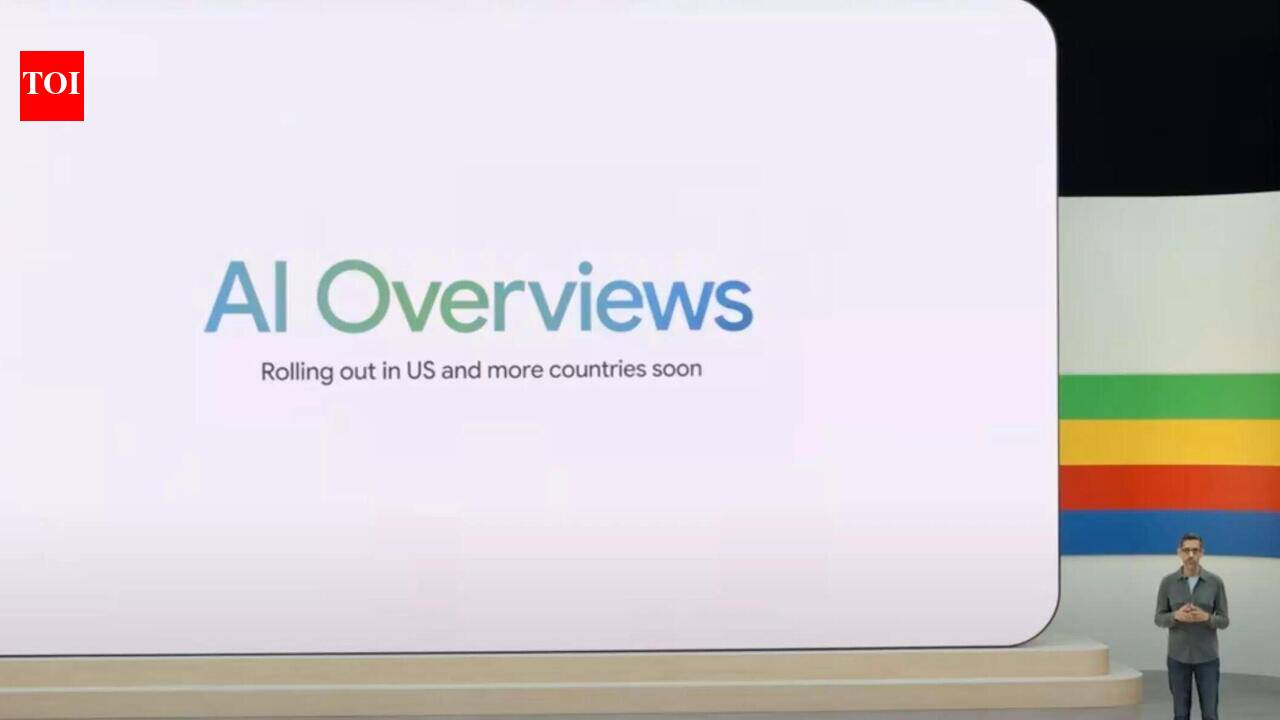
# Google AI Overviews: Redefining Search Results with Prompt-Style Responses
In a rapidly evolving digital landscape, the way we search for information is undergoing a significant transformation. Google's latest innovation, the AI Overviews feature, is at the forefront of this change, offering users a new way to interact with search results. However, this innovation comes with its own set of challenges. Recent reports indicate that Google’s AI Overviews are misinterpreting certain word searches, presenting users with prompt-style replies rather than traditional dictionary definitions. This shift has sparked discussions among users and experts alike about the implications of AI in search technology.
## Understanding Google AI Overviews
Google AI Overviews is designed to enhance search results by providing users with concise, informative summaries of topics. By leveraging advanced natural language processing and machine learning algorithms, this feature aims to deliver contextually relevant information quickly. Instead of merely listing definitions or explanations, AI Overviews strive to offer a more conversational approach to search—one that aligns with the way users communicate and query information today.
The Shift from Definitions to Instructions
While the intention behind AI Overviews is clear, the execution has raised eyebrows. Users have reported instances where simple word searches are interpreted as commands or instructions. For example, searching for a common term like “apple” could yield results that read more like suggestions or guides rather than providing a straightforward definition of the fruit. This shift towards generating prompt-style replies has left many users puzzled and frustrated, particularly those who rely on Google for clear and concise definitions.
Impact on User Experience
The user experience is at the heart of Google's mission, and any changes to search results can significantly impact how individuals seek information. For many, the shift from traditional definitions to AI-generated responses can be jarring. Users expect clarity, especially when searching for specific terms. When the results are instead presented in a conversational format, it could lead to confusion, misinterpretation, or even the dissemination of incorrect information.
This shift also highlights a broader concern regarding the reliability of AI-generated content. While AI technologies have made remarkable strides, they are not infallible. Misinterpretations can lead to misinformation, which can be particularly problematic in fields that require accuracy, such as education, healthcare, and legal matters. As users become increasingly reliant on AI for information, the stakes of these misinterpretations continue to rise.
The Role of Context in Search Queries
One of the key challenges faced by AI Overviews is understanding the context in which words are used. Language is inherently nuanced, with meanings often shifting based on context. A word like "bank," for example, can refer to a financial institution or the side of a river. AI must navigate these complexities to provide accurate and relevant information. However, as reports have indicated, the current AI model sometimes struggles with this contextual understanding, leading to the aforementioned prompt-style replies.
User Reactions: A Mixed Bag
User reactions to the AI Overviews feature have been mixed. While some appreciate the innovative approach to presenting information, others find it frustrating. Many users have taken to social media and online forums to express their concerns, with some suggesting that they prefer traditional definitions over the new format. The feedback ranges from confusion over the responses to concerns about the accuracy of the information provided.
Moreover, the debate underscores a larger question about the role of technology in our lives. As AI becomes more integrated into our daily routines, how much should we trust it to deliver accurate information? The concerns raised by users highlight the need for ongoing improvements to AI algorithms to ensure they can better understand context and deliver reliable content.
## The Future of AI in Search Technology
As Google continues to refine its AI Overviews feature, the future of search technology remains a hot topic. The integration of AI into search engines is likely to expand, with companies investing heavily in developing more advanced algorithms capable of understanding user intent more effectively. This evolution could lead to more personalized and relevant search experiences.
Emphasizing Transparency and User Control
In response to the concerns surrounding AI-generated content, transparency will be crucial. Google and other tech companies must establish clear guidelines on how AI models interpret and respond to user queries. Providing users with the option to toggle between AI-generated responses and traditional definitions could help balance innovation with user preferences.
Additionally, educating users about how AI works and its limitations can empower them to make informed decisions. By fostering a better understanding of AI's capabilities and challenges, companies can enhance user trust and satisfaction.
Balancing Innovation and Accuracy
The challenge for Google and other tech giants lies in balancing innovation with accuracy. As AI technologies continue to advance, ensuring that users receive accurate, relevant, and contextually appropriate information must remain a top priority. The feedback from users regarding AI Overviews serves as a valuable reminder of the importance of maintaining a human touch in technology.
## Conclusion
Google's AI Overviews feature represents a significant shift in how search results are presented, moving away from traditional definitions toward prompt-style responses. While the innovation reflects a broader trend in technology, it also raises important questions about user experience, accuracy, and the role of AI in our daily lives. As AI continues to evolve, it is essential for companies like Google to listen to user feedback, refine their algorithms, and ensure that they are providing reliable information. Ultimately, the goal should be to enhance the search experience while maintaining accuracy and user trust. As we navigate this new landscape of search technology, ongoing dialogue between tech companies and users will be crucial in shaping the future of information retrieval.