
Flying through unending turbulence: For Indian airlines one crisis lands, another takes off
# Flying Through Unending Turbulence: The Ongoing Crisis Facing Indian Airlines
## Introduction: A Turbulent Time for Indian Aviation
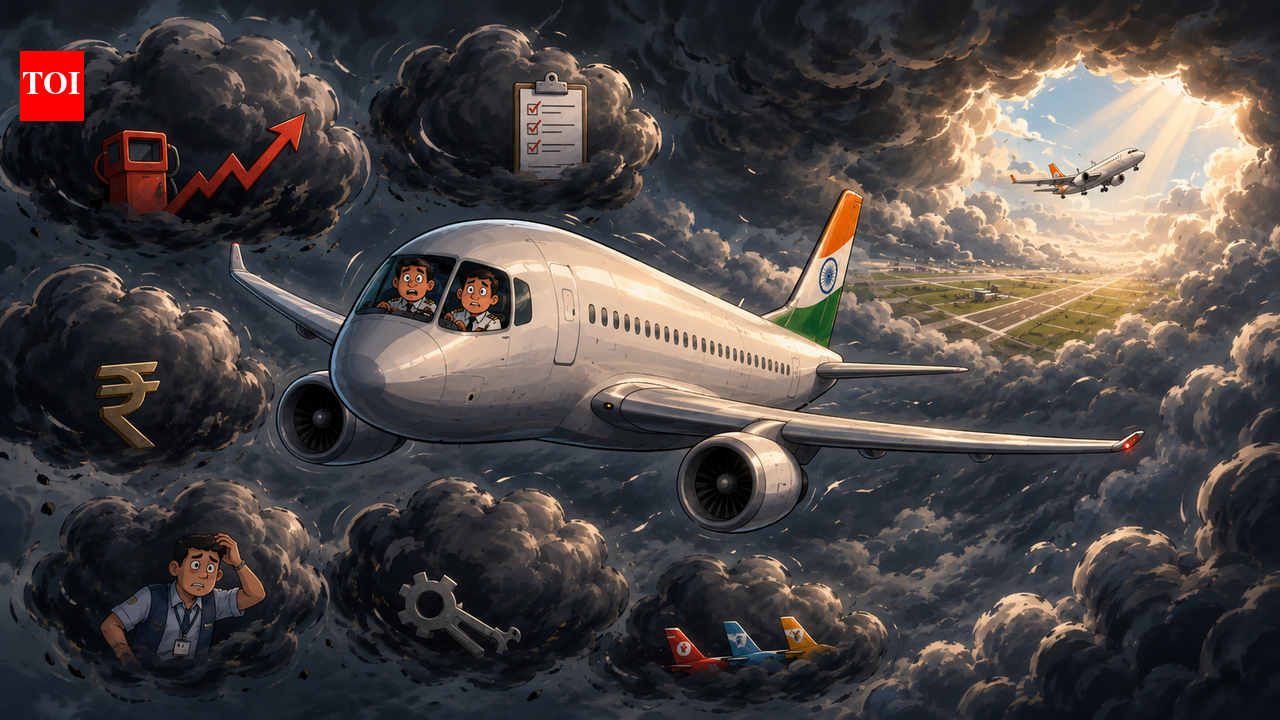
The Indian aviation industry, once poised for unprecedented growth, now finds itself navigating a storm of challenges. From flight delays to soaring ticket prices and operational hurdles, the sector is facing a perfect storm of turbulence that threatens to impact passengers and airlines alike. As travelers prepare to board their flights, they must brace themselves not just for the journey ahead but for the myriad of issues that have become commonplace in the skies over India. In this article, we will explore the ongoing crises faced by Indian airlines, shedding light on the factors contributing to this turbulence and offering insights into potential solutions.
## Current State of Indian Aviation: A Snapshot
The Indian aviation market has experienced remarkable growth over the past decade, emerging as one of the fastest-growing aviation sectors in the world. However, recent months have painted a different picture. Airlines are grappling with a multitude of challenges, including operational inefficiencies, rising fuel costs, and increasing competition. According to industry reports, the sector has witnessed a significant rise in flight delays, with airlines struggling to maintain punctuality amid these mounting pressures.
Flight Delays: A Frequent Frustration
Flight delays have become a common occurrence in Indian aviation, with passengers often left waiting at airports for extended periods. A combination of factors, including air traffic congestion, inadequate infrastructure, and operational inefficiencies, has contributed to this growing issue. Major airports in cities like Delhi and Mumbai are particularly affected, with flights frequently running behind schedule. This has led to frustration among travelers, who find themselves caught in a cycle of uncertainty.
Rising Ticket Prices: The Cost of Turbulence
In addition to delays, passengers are also feeling the pinch of rising ticket prices. The increase in operational costs, particularly fuel prices, has forced airlines to pass these expenses onto consumers. A recent survey revealed that ticket prices have surged by nearly 30% in the past year alone, prompting concerns about affordability in a market that was once considered accessible to the masses. As airlines grapple with their financial stability, travelers are left wondering if flying will soon become a luxury rather than a routine mode of transportation.
## Factors Contributing to the Crisis
Understanding the current turbulence in the Indian aviation sector requires an examination of the various factors at play. From external pressures to internal inefficiencies, several elements have converged to create this challenging environment.
Economic Pressures
One of the most significant factors impacting Indian airlines is the broader economic landscape. The global economy has faced numerous challenges, including inflation and fluctuating oil prices, which directly affect operational costs for airlines. As fuel prices continue to rise, carriers are forced to implement price hikes to sustain their operations, leading to increased ticket prices for consumers.
Infrastructure Challenges
India's aviation infrastructure has struggled to keep pace with the rapid growth of air travel. Major airports are often operating at or beyond capacity, leading to congestion and delays. The lack of adequate facilities and resources hampers airlines' ability to operate efficiently, resulting in longer turnaround times and increased flight delays. Investments in infrastructure are needed to alleviate these bottlenecks and enhance the overall passenger experience.
Regulatory Hurdles
The regulatory environment surrounding Indian aviation also plays a crucial role in shaping the industry's landscape. Airlines are often subject to complex regulations that can hinder their operations and profitability. While safety is paramount, an overly restrictive regulatory framework can stifle innovation and competitiveness within the sector. Finding a balance between safety and operational efficiency is essential to ensuring the long-term viability of Indian airlines.
## The Impact on Passengers: A Ripple Effect
The ongoing turbulence in the Indian aviation sector is not only impacting airlines but also having a profound effect on passengers. Increased ticket prices and frequent delays have led to a decline in traveler satisfaction, with many opting for alternative modes of transportation or reconsidering their travel plans altogether.
Passenger Experience in Decline
As delays become more frequent and ticket prices climb, the overall passenger experience is suffering. Long wait times, crowded airports, and unpredictable schedules contribute to frustration and dissatisfaction among travelers. Airlines must prioritize improving customer service and communication to regain the trust of their passengers and enhance their overall experience.
The Shift to Alternative Travel Options
With air travel becoming less appealing due to rising costs and delays, some passengers are looking for alternative options. Train travel, for instance, has seen a resurgence in popularity, with many opting for the comfort and reliability of rail transport. This shift could have significant implications for the aviation industry, as airlines must adapt to changing consumer preferences and find ways to differentiate themselves from other modes of transportation.
## Potential Solutions: Charting a Course for Recovery
While the challenges facing Indian airlines are significant, there are potential solutions that could help the industry navigate through these turbulent times. From improving infrastructure to addressing regulatory concerns, stakeholders must collaborate to implement effective strategies.
Infrastructure Investment
One of the most critical steps toward stabilizing the aviation sector is investing in infrastructure. Expanding and modernizing airports can alleviate congestion and enhance operational efficiency. Additionally, developing regional airports can help distribute air traffic more evenly across the country, reducing pressure on major hubs and improving overall connectivity.
Embracing Technology
Leveraging technology can also play a vital role in improving operational efficiency and enhancing the passenger experience. Airlines should invest in modern systems for scheduling, communication, and customer service. By embracing digital tools, airlines can streamline operations, reduce delays, and provide passengers with real-time updates on their flights.
Regulatory Reform
Advocating for regulatory reform within the aviation sector is essential for fostering a more competitive environment. Policymakers should work closely with airlines to identify areas where regulations can be streamlined without compromising safety. By creating a more flexible regulatory framework, the industry can adapt more easily to changing market dynamics and consumer demands.
## Conclusion: A Hopeful Horizon
While the Indian aviation industry is currently facing significant challenges, there is hope for a brighter future. By addressing the underlying issues contributing to turbulence, stakeholders can work together to create a more resilient and efficient aviation sector. With strategic investments, technological advancements, and regulatory reforms, Indian airlines can not only weather the storm but emerge stronger and more competitive in the global aviation landscape. As travelers continue to embark on their journeys, it is essential for the industry to prioritize their needs and restore confidence in air travel as a reliable and accessible mode of transportation.