
European Union moves to sanction Iran over Strait of Hormuz blockade
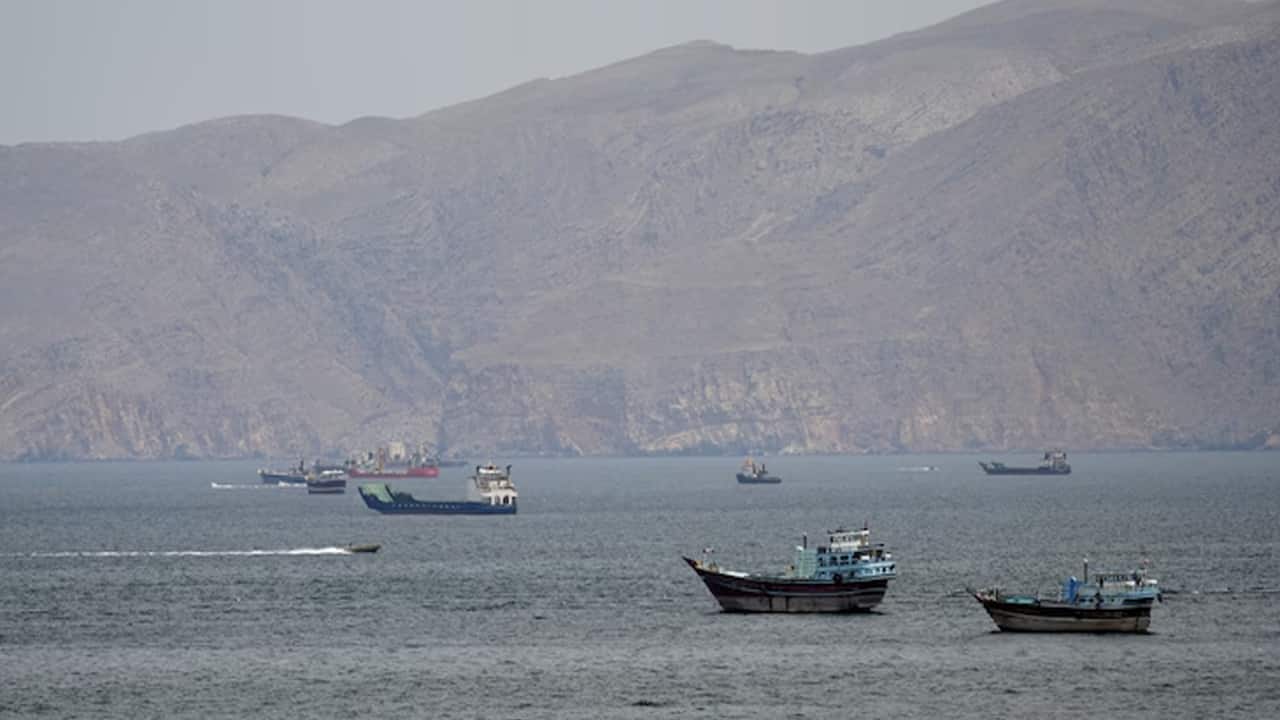
# European Union Moves to Sanction Iran Over Strait of Hormuz Blockade
## Introduction
In a significant development on the geopolitical stage, the European Union (EU) has announced plans to impose sanctions on Iran in response to its recent blockade of the strategically vital Strait of Hormuz. This waterway is crucial for global oil transportation, with approximately 20% of the world’s oil passing through it daily. The EU’s decision underscores the increasing tensions in the region and the growing concerns over Iran’s maritime activities. As diplomatic negotiations continue, the implications of these sanctions could reverberate well beyond the Middle East, affecting global oil prices and international relations.
## The Strategic Importance of the Strait of Hormuz
The Strait of Hormuz serves as a critical chokepoint in global trade, linking the Persian Gulf to the Arabian Sea. It is a narrow passageway that has been the focal point of numerous geopolitical conflicts, particularly due to its significance in the oil market. The strait is flanked by Iran to the north and Oman to the south, making it a strategic military and economic asset.
In recent years, tensions between Iran and Western powers, particularly the United States, have escalated, leading to a series of confrontations in the region. The blockage of the Strait of Hormuz not only threatens the flow of oil but also raises concerns about the safety of maritime navigation.
## The Nature of the Blockade
Reports indicate that Iran has taken aggressive steps to impede shipping traffic in the Strait of Hormuz, employing a variety of tactics to assert its dominance over the waterway. This blockade has included the harassment of commercial vessels and the use of military force to deter ships from passing through. The Iranian government has justified these actions as a means of asserting its sovereignty and responding to perceived threats from foreign naval forces.
However, the EU and other international stakeholders view these actions as a direct violation of international maritime law and a significant threat to global security. The blockade not only disrupts the flow of oil but also endangers the lives of those who navigate these waters, prompting an urgent response from the international community.
## EU’s Response: Sanctions on Iran
The European Union's decision to sanction Iran comes after extensive discussions among member states regarding the implications of the blockade. The proposed sanctions aim to target key sectors of the Iranian economy, particularly those linked to oil exports and military capabilities.
Key Objectives of the Sanctions
1. **Deter Future Aggression**: The primary goal of the sanctions is to deter Iran from engaging in further aggressive actions in the Strait of Hormuz and other international waters.
2. **Protect Global Oil Supply**: By targeting Iran's oil exports, the EU aims to safeguard global oil supplies and stabilize international markets that could be affected by rising tensions.
3. **Reinforce International Law**: The EU's actions also serve to reinforce the importance of adhering to international maritime laws, asserting that freedom of navigation must be maintained for all nations.
Potential Impact on Iran
The sanctions are expected to have a significant impact on Iran's economy, which is already grappling with the effects of previous sanctions imposed by the United States. Targeting key industries may lead to increased economic hardship for the Iranian populace, exacerbating existing social and political tensions within the country.
## Reactions from the International Community
The announcement of EU sanctions has elicited a range of responses from countries and organizations around the world. While some nations have expressed support for the EU's stance, others have criticized the move as an escalation of tensions in the region.
Support from Allies
Countries aligned with the EU, particularly those in the Gulf Cooperation Council (GCC), have backed the decision, emphasizing the need for a united front against Iran’s aggressive maritime activities. These nations view the blockade as a direct threat to their own security and the stability of the region.
Criticism from Iran and Its Allies
Conversely, Iran has condemned the sanctions, labeling them as unjust and a violation of its sovereignty. Iranian officials have vowed to respond to these measures, threatening to escalate military activity in the Strait of Hormuz. Additionally, nations such as Russia and China have criticized the EU's actions, arguing that they undermine diplomatic efforts to engage with Iran.
## The Broader Implications of the Sanctions
The EU's move to sanction Iran over the Strait of Hormuz blockade has significant implications for global oil markets and international relations. Oil prices, which are already volatile, could see further fluctuations as markets react to the potential for reduced Iranian oil exports.
Economic Ramifications
Increased oil prices could have a ripple effect on economies around the world, particularly those heavily reliant on oil imports. Countries may face inflationary pressures as the cost of energy rises, potentially leading to economic instability in regions already struggling with economic challenges.
Geopolitical Consequences
The sanctions could also escalate tensions in the Middle East, prompting a response from Iran that may involve military action or increased support for proxy groups in the region. This could lead to a destabilization of already fragile states, further complicating the geopolitical landscape in the Middle East.
## Conclusion
As the European Union moves to impose sanctions on Iran in response to the blockade of the Strait of Hormuz, the situation in the region remains precarious. The sanctions are a clear signal from the international community that aggressive maritime activities will not be tolerated, but they also risk exacerbating tensions and leading to unintended consequences. The world watches closely as diplomatic efforts continue, hoping for a resolution that ensures the freedom of navigation in one of the world's most critical waterways. The next steps taken by both Iran and the EU will be pivotal in shaping the future of regional security and international relations in the years to come.