
‘End of 50 years of insecurity’: Iran claims legal authority to manage Hormuz Strait
# End of 50 Years of Insecurity: Iran Asserts Control Over the Hormuz Strait
## Introduction
In a bold declaration that could reshape the geopolitical landscape of the Gulf region, Iran's leadership has announced its intention to assert legal authority over the strategically crucial Strait of Hormuz. This waterway, often referred to as the lifeblood of global oil trade, has been a focal point of tension and insecurity for decades. As Iran's advisers emphasize the need to safeguard national interests and enhance regional stability, the implications of this move are profound not only for Iran but for the entire international community. In this article, we delve into the nuances of Iran’s claim, the historical context of the Strait, and the potential ramifications of this assertion.
## The Strait of Hormuz: A Strategic Waterway
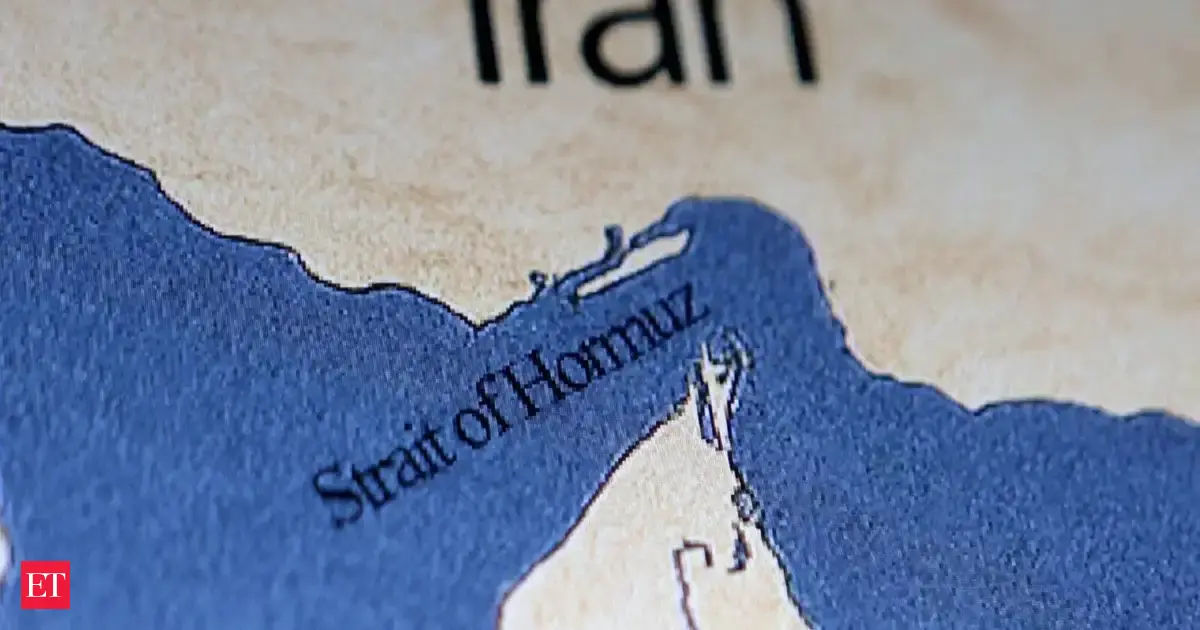
The Strait of Hormuz serves as a critical chokepoint for global oil shipments, with approximately 20% of the world's oil passing through its narrow waters. This narrow corridor, measuring only about 21 miles wide at its narrowest point, connects the Persian Gulf with the Gulf of Oman. Given its importance, the Strait has been at the center of geopolitical tensions for many years, with various nations vying for influence over the region.
Historically, the Strait has been a flashpoint for conflict, particularly between Iran and the United States, as well as its allies. The strategic importance of this waterway cannot be overstated; any disruption here could have catastrophic consequences for global oil supplies and, by extension, the world economy.
## Iran's Claim of Legal Authority
In recent statements, Iranian officials have emphasized their "legal right" to manage the Strait of Hormuz, framing their position as a necessary step to secure national interests. An adviser to Iran's Supreme Leader, Ayatollah Ali Khamenei, articulated that this assertion of control marks the end of 50 years of insecurity in the Gulf region. This claim is not merely a political statement; it reflects a broader strategy aimed at reinforcing Iran's influence in a region often fraught with instability.
The Iranian leadership argues that by establishing control over the Strait, they can better protect their territorial waters, deter potential threats, and ensure the safety of maritime traffic. This assertion comes amid heightened tensions between Iran and Western nations, particularly the United States, which has historically maintained a military presence in the region to ensure the free flow of trade.
## Historical Context: 50 Years of Tension
To fully understand the implications of Iran's recent claim, it is essential to consider the historical context surrounding the Strait of Hormuz. For the past five decades, the Gulf region has been characterized by a series of conflicts, disputes, and power struggles. The Iranian Revolution of 1979, which led to the establishment of the Islamic Republic, marked a significant turning point in the region's dynamics.
Since then, Iran has intermittently clashed with neighboring countries and the West over maritime security, nuclear ambitions, and regional influence. The Iran-Iraq War in the 1980s saw both nations vying for control over Gulf shipping lanes, while subsequent tensions with the U.S. and its allies have often centered on the Strait of Hormuz.
In recent years, incidents involving Iranian naval forces and foreign vessels have heightened fears of potential conflict. Iran’s assertion of control over the Strait may be seen as an attempt to consolidate power and deter further provocations from external actors.
## Implications for Regional Stability
Iran's declaration regarding the Strait of Hormuz raises critical questions about regional stability and the balance of power in the Gulf. On one hand, Iranian officials argue that by taking charge of this vital waterway, they can contribute to peace and security in the region. On the other hand, such a move could exacerbate existing tensions with neighboring countries and the United States.
The Gulf Cooperation Council (GCC) nations, including Saudi Arabia and the United Arab Emirates, may view Iran's claim with suspicion, fearing that it could undermine their own security and economic interests. These nations rely heavily on the Strait for oil exports, and any increase in Iranian military presence could lead to heightened conflict.
Moreover, the international community, particularly major oil-importing countries, will be closely monitoring developments in the Strait. Any disruptions to shipping lanes could prompt a swift response from global powers, leading to potential military confrontations and economic fallout.
## Global Reactions and Responses
The international response to Iran's claim over the Strait of Hormuz is likely to be varied. Western nations, particularly the United States, have consistently advocated for the freedom of navigation in international waters and may be inclined to counter Iran’s assertion through diplomatic channels or military measures.
The European Union, on the other hand, may take a more cautious approach, emphasizing dialogue and negotiation in order to de-escalate tensions. The importance of the Strait for global trade means that any conflict could have far-reaching economic consequences, prompting calls for a peaceful resolution.
China and Russia, two nations that have historically maintained close ties with Iran, may also weigh in on the situation, potentially supporting Iran's claims in the context of their broader geopolitical interests in the region.
## Conclusion
Iran's assertion of legal authority over the Strait of Hormuz marks a significant turning point in the geopolitical landscape of the Gulf region, signaling a potential end to decades of insecurity. As the nation seeks to solidify its control over this vital waterway, the implications for regional stability, international trade, and global oil markets cannot be overlooked.
While Iranian officials frame this move as a step toward ensuring national security and promoting regional stability, the response from neighboring countries and the international community will be crucial in determining the outcome. The coming months are likely to reveal whether Iran's claim will lead to greater tensions or pave the way for a new era of cooperation in one of the world's most strategically important regions. As the world watches, the stakes remain high, and the future of the Strait of Hormuz hangs in the balance.