
Earlier in 2026, a University of Sydney PhD student traced a 1.34497-hour radio pulse to a dead star. Today, its 1.368-hour orbit explains why the bursts repeat
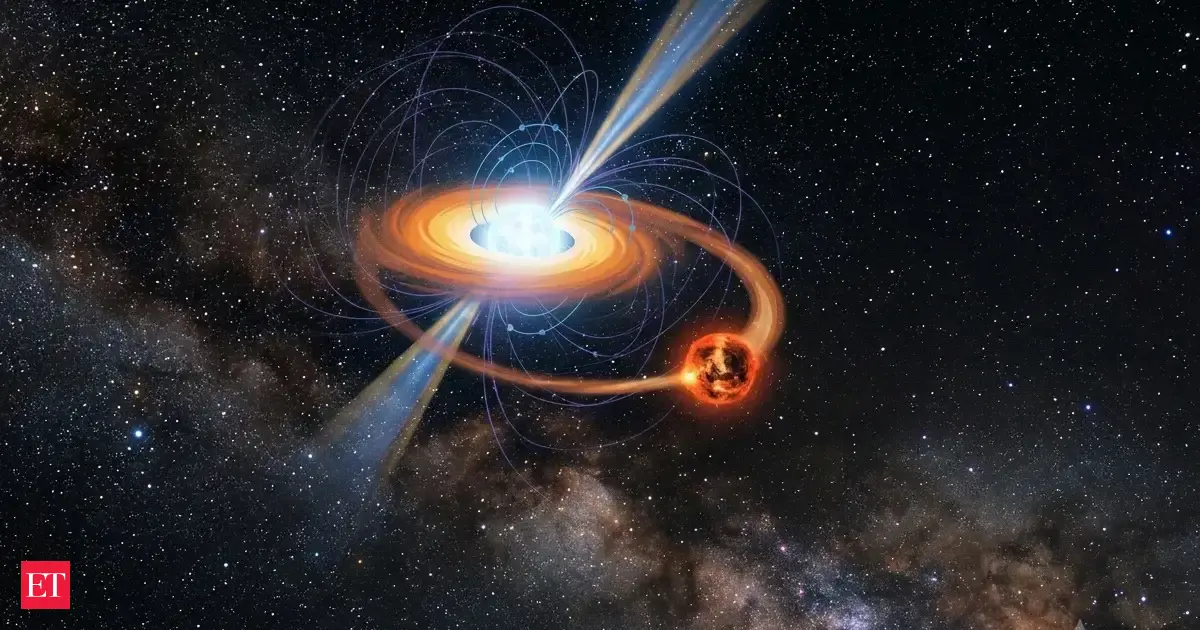
Earlier in 2026, a University of Sydney PhD student traced a 1.34497-hour radio pulse to a dead star. Today, its 1.368-hour orbit explains why the bursts repeat. ASKAP J1745−5051 is a white dwarf binary that produces radio bursts, X-rays and optical signals. Its orbit helps explain the timing and provides a case for studying long-period radio transients.