
Delhi High Court Refuses To Stall OTT Release Of Dhurandhar Film In Copyright Dispute Over 'Tirchi Topiwale'
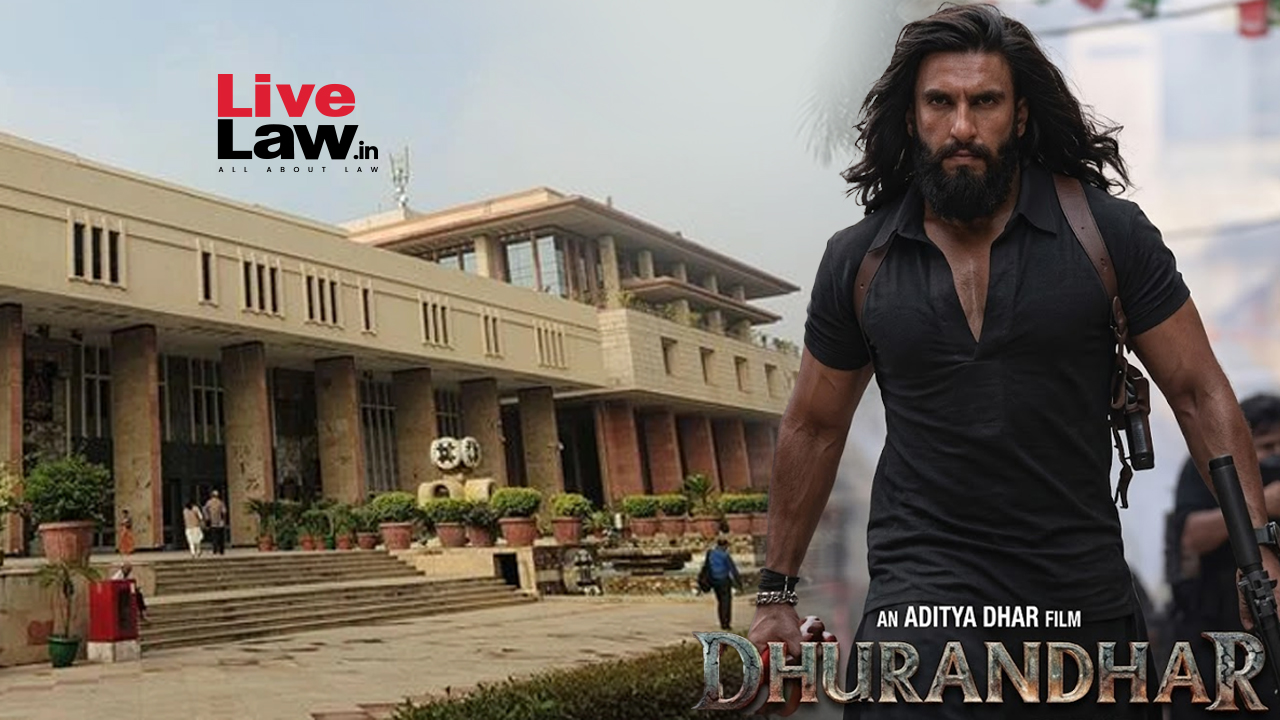
Delhi High Court Upholds Freedom of Expression: Refuses to Halt OTT Release of 'Dhurandhar' Amid Copyright Dispute
In a significant ruling that underscores the balance between intellectual property rights and the burgeoning world of digital entertainment, the Delhi High Court has declined to grant interim relief to Trimurti Films Private Limited in its copyright infringement case involving the popular song “Tirchi Topiwale.” This decision comes at a time when the film industry is rapidly evolving, especially with the rise of Over-The-Top (OTT) platforms that have transformed how audiences consume content.
Background of the Case
The copyright dispute at the heart of this case revolves around the song "Tirchi Topiwale," which has long been cherished in Indian cinema. Trimurti Films, the plaintiff, alleged that the upcoming film “Dhurandhar,” which is set to be released on an OTT platform, has incorporated this iconic track without proper authorization. The filmmakers defended their stance, asserting that the song is a part of the film’s narrative and serves a crucial artistic purpose.
The court's decision not to impose a stay on the OTT release of “Dhurandhar” has sparked discussions among legal experts, filmmakers, and the audience alike, highlighting the complexities of copyright law in the digital age.
Legal Arguments Presented
During the hearing, Trimurti Films’ counsel argued that allowing the release of “Dhurandhar” would cause irreparable harm to their copyright interests, given the song's historical significance and its established ownership. They contended that the unauthorized use could dilute the song's value and mislead audiences regarding its original creators.
Conversely, the defense team for “Dhurandhar” emphasized the importance of creative expression and the role that classic songs play within contemporary storytelling. They argued that the film does not merely use the song for commercial gain but engages with it in a manner that respects its legacy while introducing it to a new audience.
The Court’s Rationale
In its ruling, the Delhi High Court acknowledged the need to protect copyright holders while also recognizing the necessity of fostering creativity within the film industry. The judges indicated that the potential for artistic expression, particularly in a medium as dynamic as film, must be weighed against the risks of copyright infringement.
The court's refusal to stay the release of “Dhurandhar” suggests a nuanced understanding of copyright law, where the context of use and the intention behind incorporating such works can significantly influence the outcome of legal disputes. This decision, therefore, serves as a reminder that the interpretation of copyright laws is evolving alongside the entertainment landscape.
The Impact on the OTT Industry
The ruling has broader implications for the OTT industry, which has seen a surge in viewership and content production in recent years. As more filmmakers turn to digital platforms for distribution, the question of copyright and intellectual property rights becomes increasingly pertinent.
With the rise of streaming services, the lines between traditional content creation and digital innovation are blurring. This case exemplifies the challenges that arise when classic works are repurposed in new narratives. Filmmakers must navigate the complexities of copyright to ensure that their creative expressions are protected while respecting the rights of original creators.
Audience Reactions and Industry Insight
The decision has elicited varied responses from audiences and industry professionals. Many viewers express excitement over the release of “Dhurandhar,” eager to see how the film creatively utilizes the beloved song. Others share concerns about the potential for copyright issues to stifle artistic innovation.
Industry insiders have noted that this case could set a precedent for future copyright disputes involving OTT content. As filmmakers increasingly experiment with incorporating established works into their narratives, the need for clear guidelines on copyright laws becomes imperative.
Conclusion
The Delhi High Court's decision to allow the release of “Dhurandhar” without an interim stay represents a pivotal moment in the ongoing dialogue surrounding copyright in the digital era. As the film industry continues to evolve with technological advancements, such rulings will play a crucial role in shaping the future of content creation and distribution.
Filmmakers must remain vigilant in understanding the intricacies of copyright law, ensuring that their creative visions do not infringe on the rights of original creators. As audiences, we can look forward to a diverse array of storytelling that pays homage to the past while pushing the boundaries of creativity in the present.
In summary, while copyright laws are designed to protect creators, they must also adapt to the changing landscape of media consumption. The balance between protecting intellectual property and fostering innovation is delicate, and the outcome of this case serves as a reminder of the ongoing tension between these two critical aspects of the entertainment industry. As we await the release of “Dhurandhar,” the conversation around copyright, creativity, and digital content continues, promising to influence the future of Indian cinema for years to come.