Can't rule out rate hikes if inflation does not abate soon: Federal Reserve's Christopher Waller
# Federal Reserve's Christopher Waller Signals Potential for Future Rate Hikes Amid Persistent Inflation Concerns
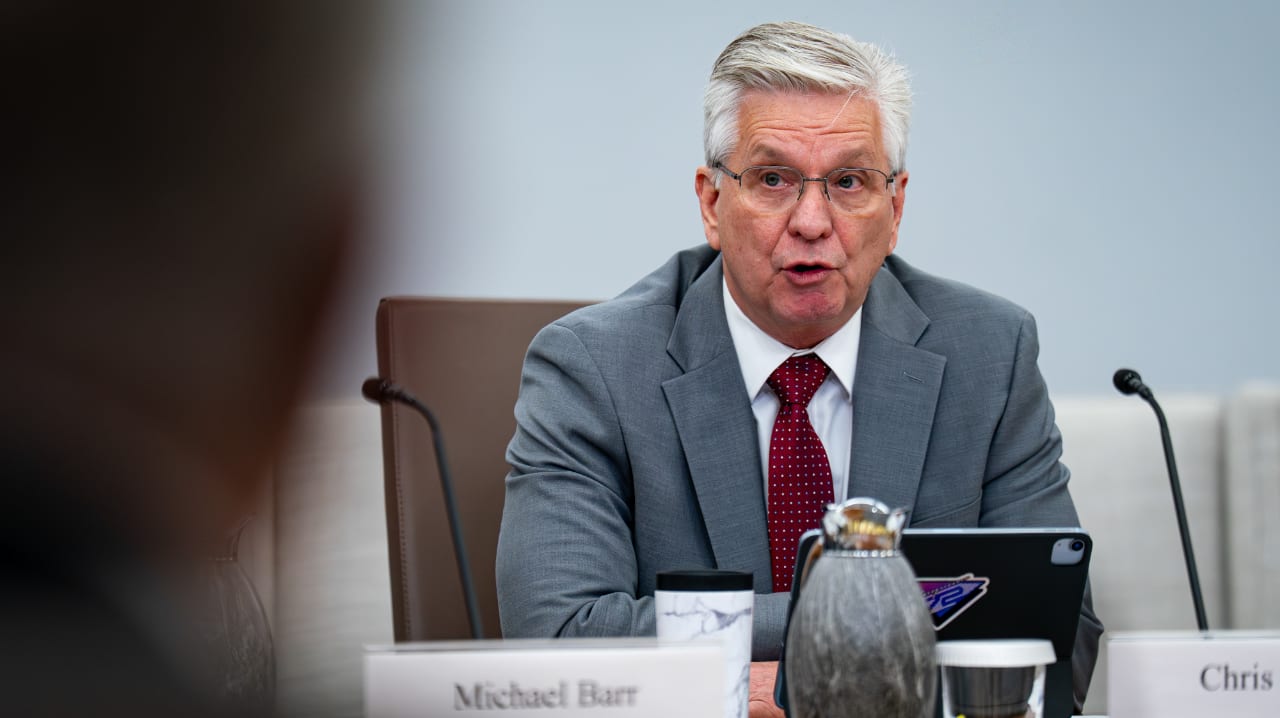
In a recent statement that has caught the attention of economists and market analysts alike, Federal Reserve Governor Christopher Waller expressed concerns regarding the current trajectory of inflation in the United States. His remarks came during an event where he discussed economic indicators and the Federal Reserve's response to ongoing inflationary pressures. With rising oil prices and other economic factors at play, Waller's insights have sparked discussions about the possibility of future interest rate hikes if inflation does not show signs of easing soon.
## The Current Economic Landscape
The U.S. economy has faced a series of challenges in recent years, particularly in the wake of the COVID-19 pandemic. Supply chain disruptions, labor shortages, and geopolitical tensions have all contributed to rising prices across various sectors. The Federal Reserve has been actively monitoring these developments, with a dual mandate to promote maximum employment and stable prices.
Inflation rates have surged, reaching levels not seen in decades. In August 2023, the Consumer Price Index (CPI) reported a year-over-year increase of 6.2%, exceeding the Fed's long-standing target of 2%. This persistent inflation has led to increased scrutiny of the Federal Reserve's monetary policy decisions.
## Waller's Cautionary Message
During his latest address, Waller acknowledged that while the recent oil price shock may dissipate in the near future, he could not dismiss the potential for further interest rate hikes if inflation remains stubbornly high. "I can no longer rule out rate hikes further down the road if inflation does not abate soon," Waller stated, emphasizing the Fed's commitment to addressing inflationary pressures head-on.
His comments underscore a growing sentiment among Fed officials that more aggressive actions may be necessary if inflation continues its upward trajectory. As the central bank navigates a complex economic landscape, Waller's remarks serve as a reminder of the delicate balance between fostering economic growth and controlling inflation.
## The Impact of Oil Prices on Inflation
One of the key factors contributing to inflation is the volatility of oil prices. Crude oil prices have experienced significant fluctuations in recent months, driven by factors such as geopolitical tensions, OPEC production decisions, and global demand changes. Higher oil prices not only affect transportation costs but also have a cascading effect on the prices of goods and services across the economy.
Waller's acknowledgment of the oil shock's potential to dissipate soon is noteworthy. However, he warns that if the inflationary pressures stemming from energy costs do not subside, the Federal Reserve may need to consider rate hikes as a necessary measure to stabilize prices.
## Historical Context of Rate Hikes
To understand the implications of Waller's statement, it's essential to consider the historical context of interest rate hikes in the United States. The Federal Reserve typically raises rates to combat inflation, thereby cooling down an overheated economy. However, this approach comes with its own set of risks, including slowing economic growth and increasing borrowing costs for consumers and businesses.
In the past, rate hikes have often been met with mixed reactions from the markets. While some investors may view them as a sign of a robust economy, others may fear that higher borrowing costs could stifle consumer spending and investment. The challenge for the Federal Reserve is to implement a strategy that addresses inflation without derailing economic recovery.
## Market Reactions and Future Outlook
Waller's remarks have prompted various reactions from market analysts and investors. Some believe that the possibility of rate hikes could lead to increased volatility in financial markets as investors adjust their expectations. Others maintain that the Federal Reserve is likely to remain cautious in its approach, taking into account the broader economic indicators before making any significant changes to monetary policy.
As the Federal Reserve prepares for its next policy meeting, all eyes will be on the economic data released in the coming weeks. Inflation indicators, employment figures, and consumer sentiment will all play crucial roles in shaping the central bank's decisions. The Fed's commitment to transparency will be critical in guiding market expectations and minimizing uncertainty.
## Consumer Impact: What Rate Hikes Mean for You
For everyday consumers, the prospect of rising interest rates could have tangible effects on personal finances. Higher rates could lead to increased costs for mortgages, auto loans, and credit cards, ultimately impacting household budgets. Borrowers may want to consider locking in fixed rates now before potential increases take effect.
Conversely, savers may benefit from higher interest rates as they could see better returns on savings accounts and fixed-income investments. Understanding the implications of rate hikes is essential for consumers as they navigate their financial decisions in an uncertain economic environment.
## Federal Reserve's Dual Mandate: Balancing Growth and Stability
The Federal Reserve's dual mandate of promoting maximum employment and stable prices is a complex balancing act. While addressing inflation is crucial, the Fed must also consider the implications of its actions on employment levels and economic growth. Striking the right balance is essential for maintaining a healthy economy.
As Waller and other Fed officials navigate these challenges, their decisions will have far-reaching consequences for the economy. Policymakers must remain vigilant and responsive to changing economic conditions while ensuring that the recovery continues to take hold.
## Conclusion: A Critical Juncture for the Federal Reserve
In conclusion, Federal Reserve Governor Christopher Waller's recent comments serve as a critical reminder of the ongoing challenges posed by inflation in the U.S. economy. While the potential for rate hikes may seem daunting, it reflects the Fed's commitment to maintaining price stability and ensuring sustainable economic growth. As consumers and investors brace for the possibility of higher interest rates, attention will remain focused on the economic indicators that will shape the Fed's future decisions. The coming months will be pivotal for the Federal Reserve as it navigates the complexities of inflation, growth, and market expectations, ultimately determining the course of the U.S. economy.