
Andhra Pradesh govt. steps up Ebola preparedness, plans passenger screening at airports
# Andhra Pradesh Government Intensifies Ebola Preparedness: Airport Screenings and Isolation Wards in Motion
In light of rising global concerns about the spread of the Ebola virus, the Andhra Pradesh government is taking proactive measures to safeguard public health. With the potential for infectious diseases to cross borders, officials are ramping up preparedness efforts that include passenger screenings at airports and the establishment of isolation wards. As the world remains vigilant against this viral threat, Andhra Pradesh's initiatives reflect a commitment to ensuring the safety and well-being of its citizens.
## Understanding the Ebola Virus: A Brief Overview
Ebola, a severe and often fatal illness caused by the Ebola virus, first emerged in 1976 and has since resulted in multiple outbreaks, particularly in Africa. The virus is transmitted through direct contact with bodily fluids of infected individuals, and symptoms can include fever, vomiting, and severe internal bleeding. The high mortality rate associated with Ebola makes it critical for governments worldwide to prepare for any potential outbreaks.
## Rising Global Concerns
Recently, there has been an uptick in reported cases of Ebola in certain regions, prompting health organizations and governments to reassess their readiness to combat the virus. The World Health Organization (WHO) has been closely monitoring the situation, urging nations to implement measures that can prevent the spread of the virus. In response, the Andhra Pradesh government has taken decisive steps to enhance its preparedness against Ebola.
## Key Measures: Passenger Screening at Airports
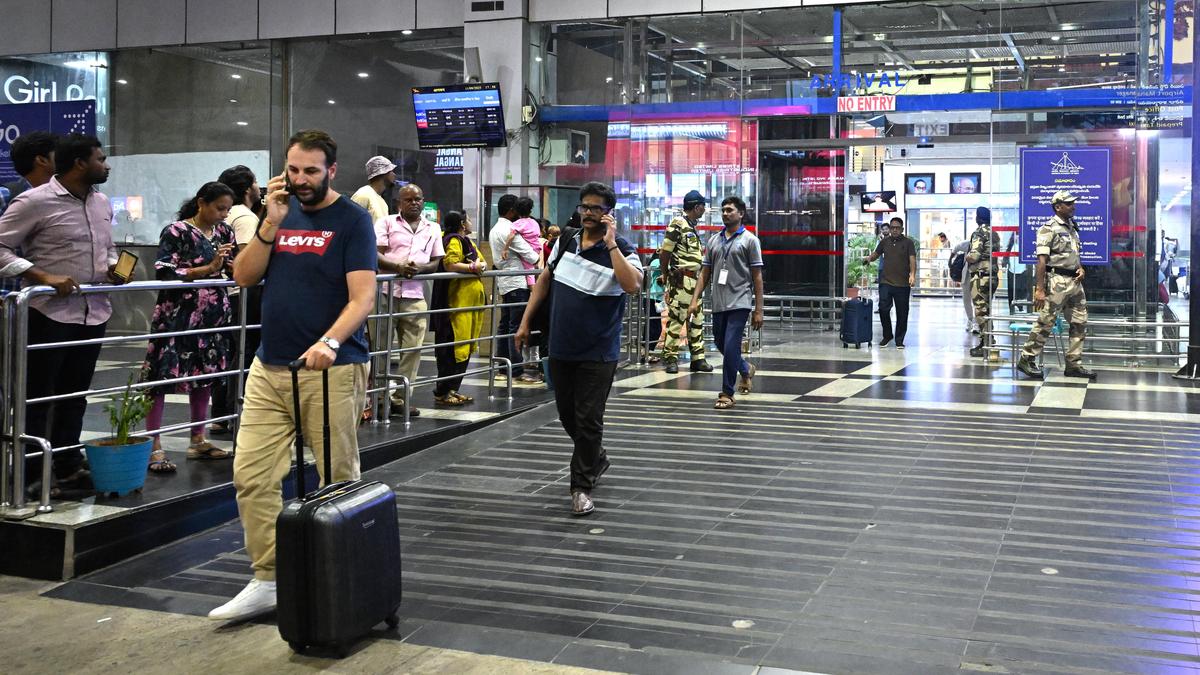
A significant component of the Andhra Pradesh government's strategy involves implementing passenger screenings at major airports across the state. These screenings are designed to identify travelers who may have been exposed to the Ebola virus, particularly those arriving from regions where the virus is prevalent.
The Screening Process
Upon arrival, passengers will undergo a series of health checks that may include temperature measurements and health questionnaires. Trained personnel will be equipped to assess symptoms and determine if further medical evaluation is necessary. This proactive approach is aimed at catching potential cases before they can spread within the community.
Collaboration with Health Authorities
The government is working closely with the Airports Authority of India and health departments to ensure that the screening process is efficient and effective. This collaboration is essential to implement best practices and protocols that have been developed based on international standards.
## Establishment of Isolation Wards
In addition to passenger screenings, the Andhra Pradesh government is setting up isolation wards in hospitals across the state. These wards will be designated for the treatment of suspected Ebola cases, allowing for swift and secure medical attention if needed.
Infrastructure and Resources
The isolation wards will be equipped with the necessary medical resources to handle suspected cases, including personal protective equipment (PPE) for healthcare workers. The government is also ensuring that staff members are trained in the management of infectious diseases, further strengthening the healthcare system's response capabilities.
## Public Awareness Campaigns
Another critical aspect of the Andhra Pradesh government's Ebola preparedness strategy is the launch of public awareness campaigns. Educating the public about the Ebola virus, its symptoms, and prevention measures is vital in minimizing panic and misinformation.
Community Engagement
Community engagement initiatives will include distributing informational pamphlets, conducting workshops, and utilizing social media platforms to reach a broader audience. By fostering a well-informed public, the government aims to encourage individuals to seek medical attention promptly if they exhibit symptoms related to Ebola.
## The Role of the Healthcare System
The healthcare system in Andhra Pradesh will play a pivotal role in the government's Ebola preparedness strategy. Hospitals and clinics are being equipped with guidelines and protocols to follow in case of an Ebola-related incident.
Training Healthcare Professionals
Training programs are being established for healthcare professionals, focusing on recognizing symptoms, implementing containment measures, and providing appropriate care to patients. These efforts are crucial in ensuring that medical personnel are prepared to respond effectively during a potential outbreak.
## Collaboration with International Health Organizations
The Andhra Pradesh government is also engaging with international health organizations, such as the WHO and the Centers for Disease Control and Prevention (CDC), to stay updated on the latest developments regarding Ebola and best practices for managing outbreaks.
Access to Expertise
By collaborating with global health experts, Andhra Pradesh can leverage valuable knowledge and resources that enhance their preparedness efforts. This partnership underscores the importance of a coordinated response to infectious diseases that transcend national borders.
## Conclusion: A Commitment to Public Health
As the world grapples with the realities of infectious diseases, the Andhra Pradesh government's proactive measures to enhance Ebola preparedness serve as an essential step toward safeguarding public health. Through airport screenings, the establishment of isolation wards, and robust public awareness campaigns, the state is taking a comprehensive approach to mitigate the risk of Ebola.
While the global situation remains fluid, Andhra Pradesh's commitment to preparedness reflects a dedication to the health and safety of its residents. By staying informed and responsive, the government aims to protect its citizens and ensure a rapid response to any potential health threats. As more information becomes available, the state's efforts will undoubtedly evolve, reinforcing the importance of vigilance in the face of emerging health challenges.